HELIO
Halifax · Nova Scotia · 44.65°N 63.57°W
Programme · For owners of ER-3 lots Halifax and Dartmouth as of 24 October 2026

Up to eight units on a lot you already own.

Helio works in partnership with Kulak Construction. We put up small rental buildings on lots people already own and look after the financing and leasing, and the owner keeps the building.

Tap a lot for its address, its area and what the zone allows on it.

Fig. 01 · Every ER-3 lot Still image

  • In the zone
  • 600 m² or more · allows eight

Source: the municipality's parcel and zoning records and the provincial assessment roll. As of 24 October 2026.

The map opens as it comes into view.
  1. 14,774 lots the ER-3 zone covers measured the record · as of 24 October 2026
  2. 12,245 of them 600 m² or more, where the zone allows eight measured the record · the Centre Plan's ER-3 table
  3. 11 m height, and 10.7 m frontage for a multi-unit dwelling; setbacks and coverage still apply measured HRM Centre Plan · ER-3
What your lot allows

Four to eight, set by the lot’s area.

The Centre Plan's ER-3 zone allows a building of up to eight units on a single lot, as of right, the number set by the lot's area. HRM's ER-3 table: four units with a backyard suite under 375 m², then one more unit at 375, 450, 525 and 600 m². Frontage, setbacks, height and coverage still apply, so a lot can take fewer units than its area allows.

Fig. 02 · The density scaleHRM · the ER-3 table
Units the zone allows on one lot, by its area; a larger lot still allows eight.

The zone allows up to 8

600 m² · the handle wakes with the page

  1. 4 under 375
  2. 5 375–450
  3. 6 450–525
  4. 7 525–600
  5. 8 600 and over

Source: HRM's ER-3 density table, April 2024, in force for the permits the record holds. measured As of 24 October 2026.

Sell, or build

Sell, or build

Whether it is worth the build is arithmetic on three numbers (the rent, the build cost and the lot's price), and where it says sell, it says sell.

We work out the figures for your own lot, on that lot, and go through them with you in person. If selling suits you better, we'll say so.

Ask for the reading of your lot
The schedule

The schedule

Two firms, each on its own contract with you: Kulak Construction builds, and Helio carries everything else.

A building on an ER-3 lot is built as of right: a development permit, then the building permit; no rezoning and no public hearing. Stops are built in: the builder, the permits or the lender's commitment can each say no, and so can you, at no cost before the contracts. The builder's six at 80 Cannon Terrace went from the lot to a finished building within ten months.

measured the deed and the builder's record · as of 15 October 2026.

  1. The decision An hour in a finished building with the builder and with us, the check of the building against your lot, the broker's term sheet with every guarantee on it, your lawyer and accountant on the numbers.
  2. Drawings, the permits, the lender's commitment The drawings; the permits; the CMHC application through the broker. If a permit or the lender's commitment is refused, the contracts fall away and you owe the design and application costs to that point.
  3. The build The lender advances against inspected work; ten per cent of every payment held back under the Builders' Lien Act.
  1. Lease-up The units to market, priced against every listing in the city; a manager, or you, runs the building from here.
  2. The refinance At lease-up, the long-term mortgage replaces the construction loan.
What has been built

Kulak Construction has been building on single lots since 2020.

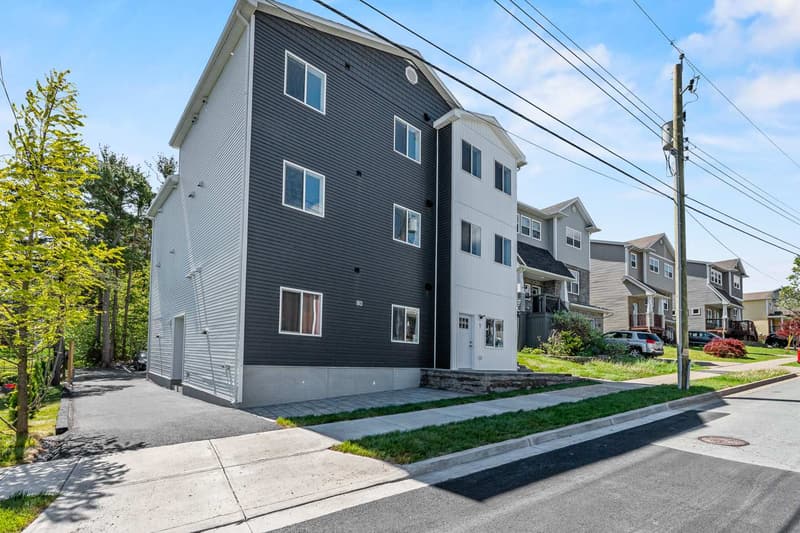
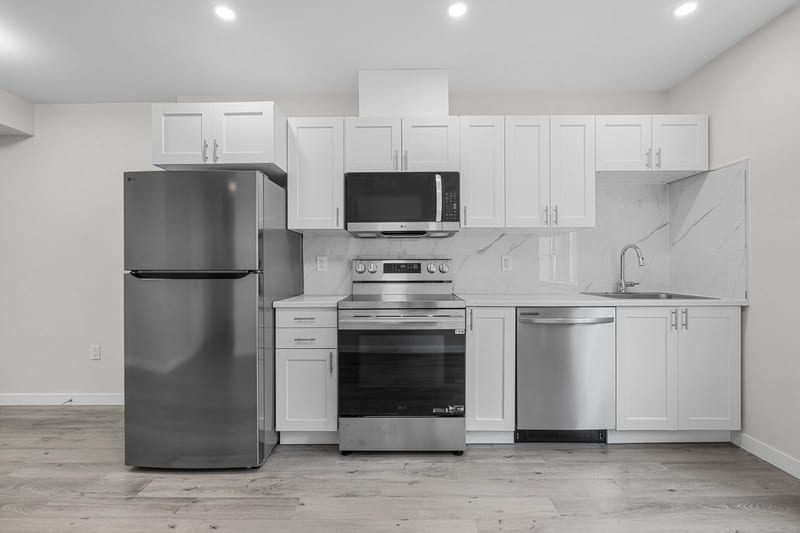
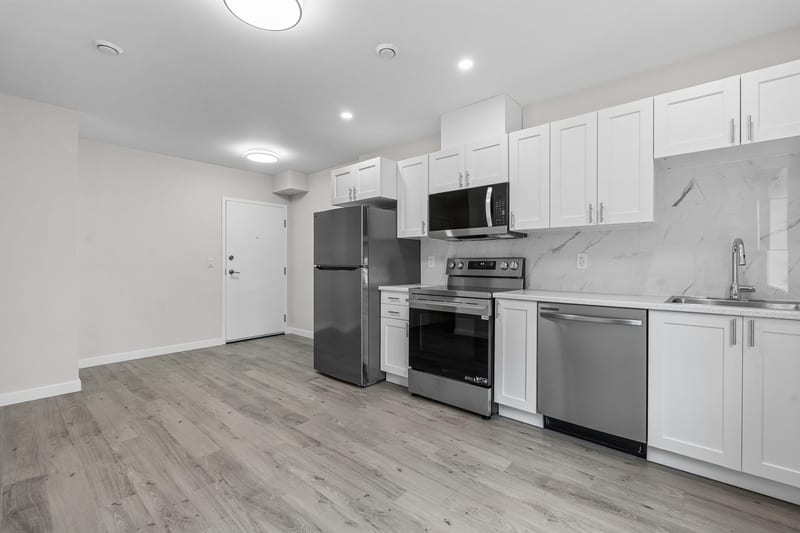
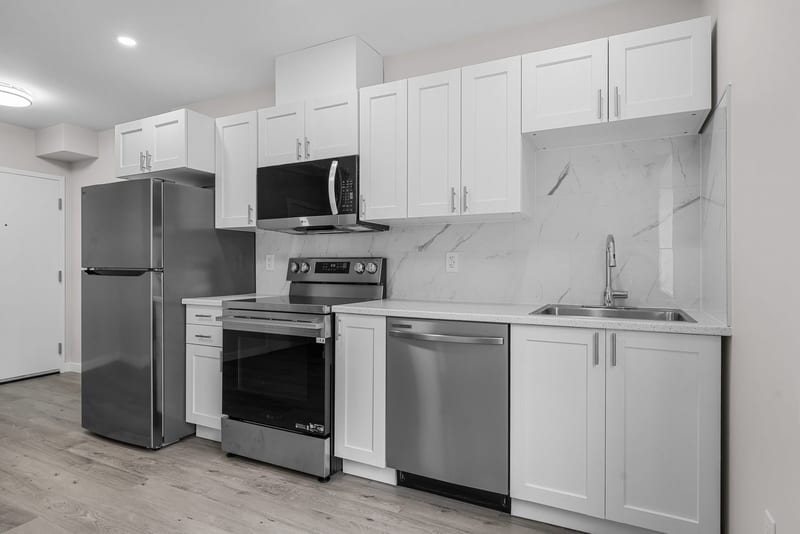
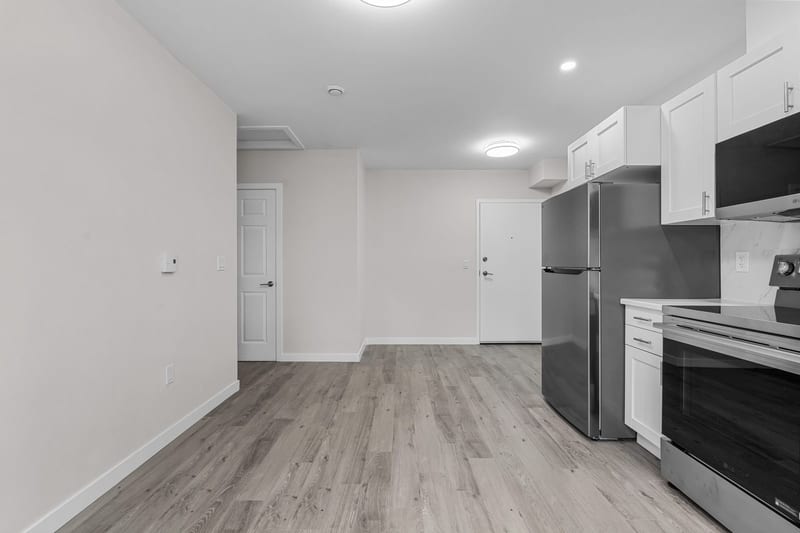
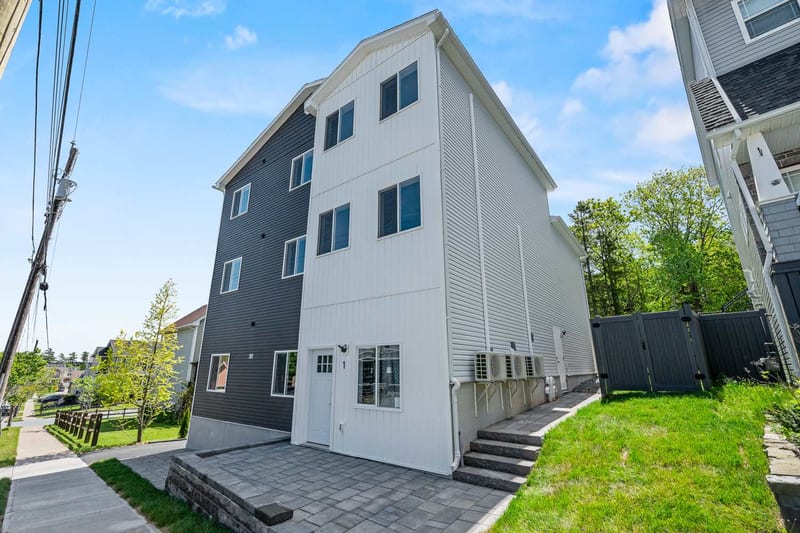
Two of its buildings are on ER-3 lots: a six finished in 2026 at 80 Cannon Terrace and an eight started in 2026 at 46 Primrose Street, each on the municipal record; kulak.ca shows the buildings themselves.

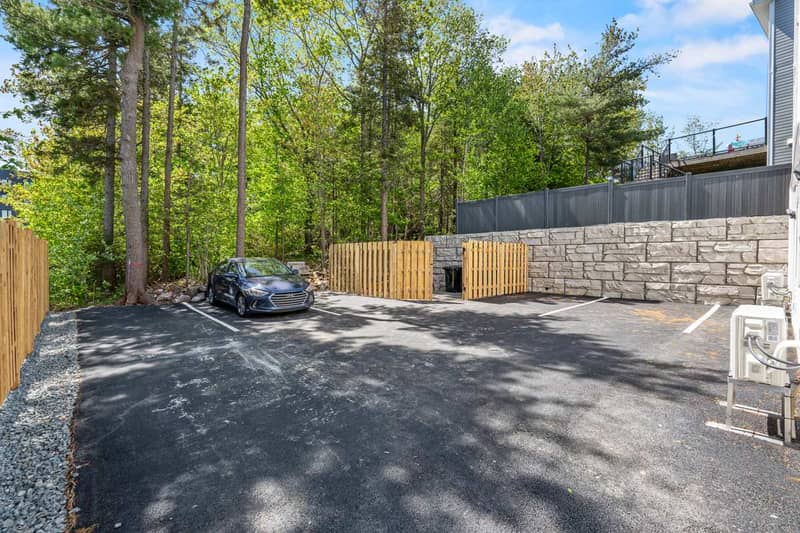
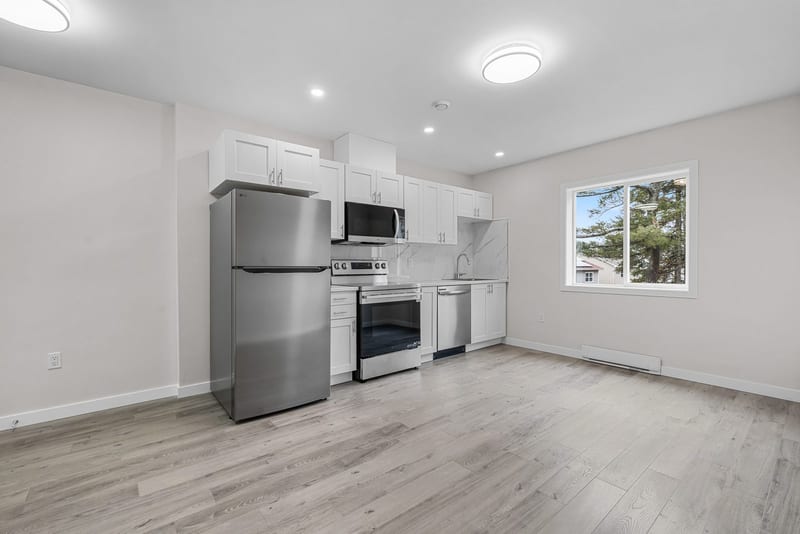
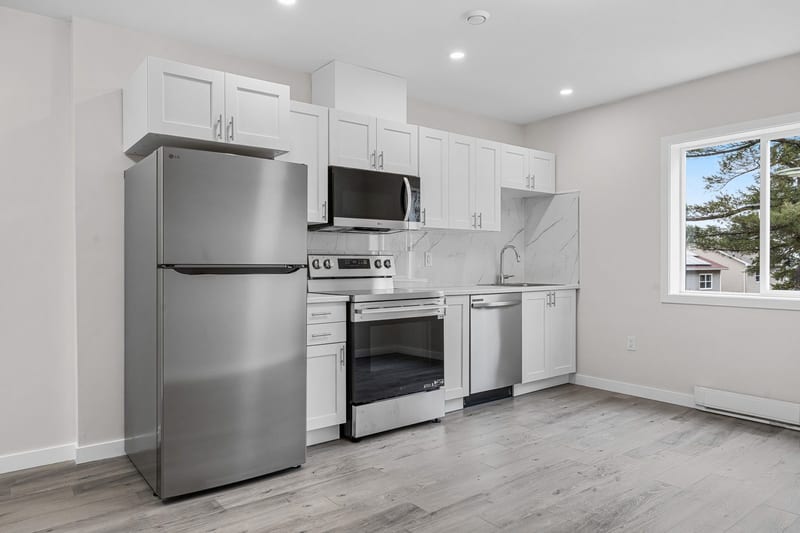
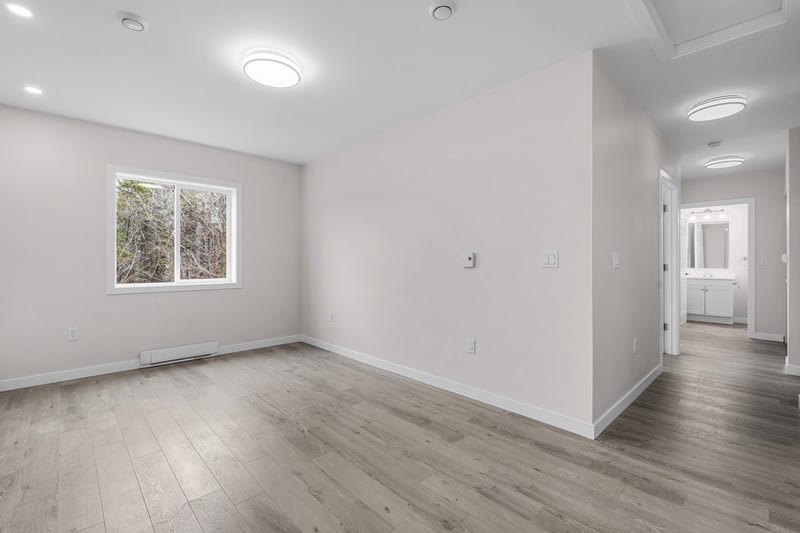
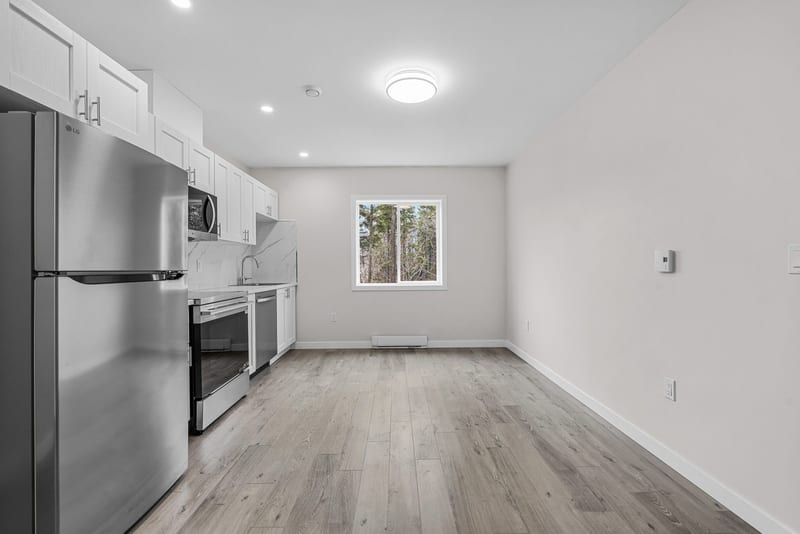
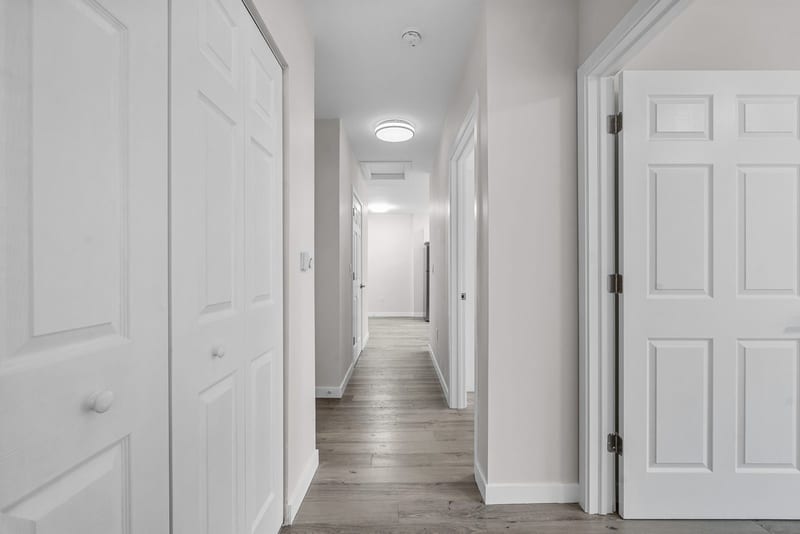
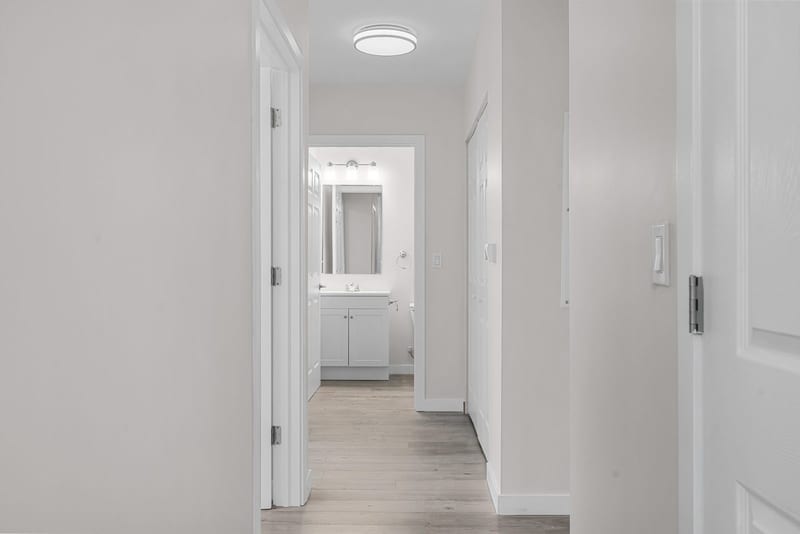
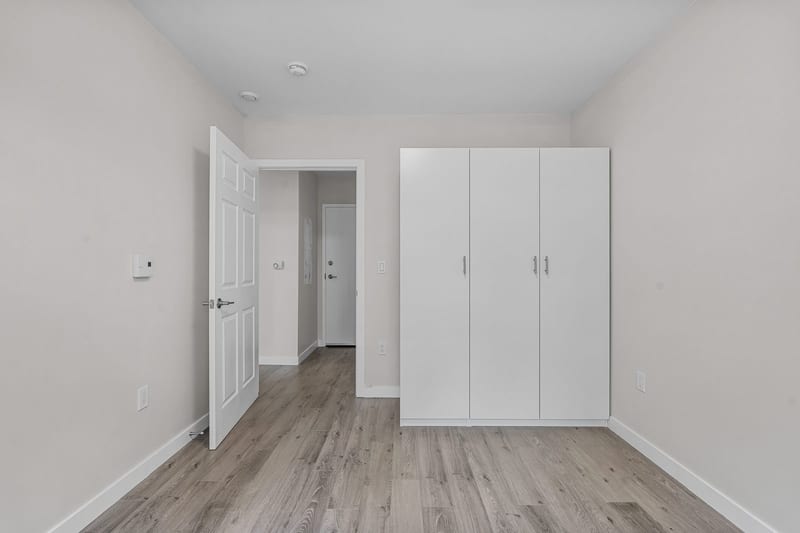
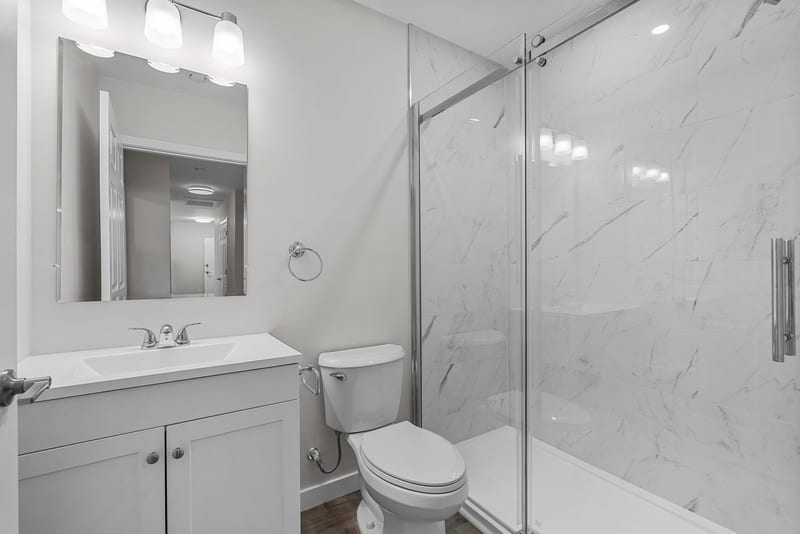
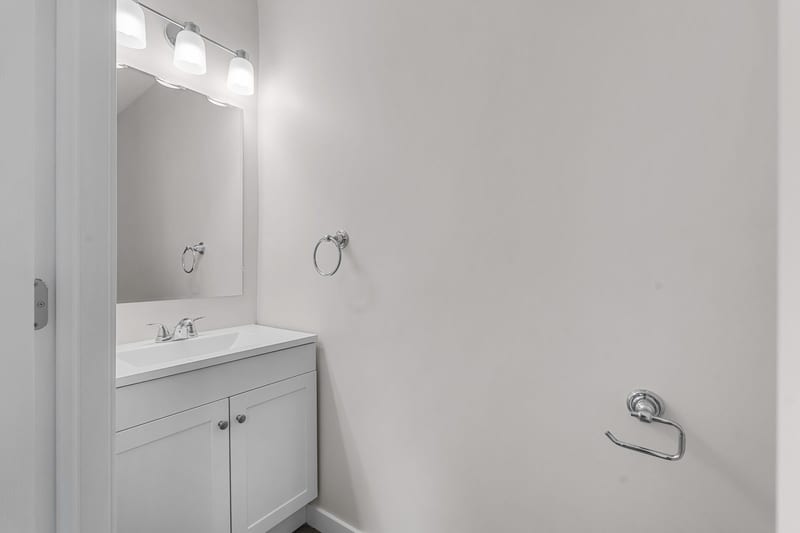
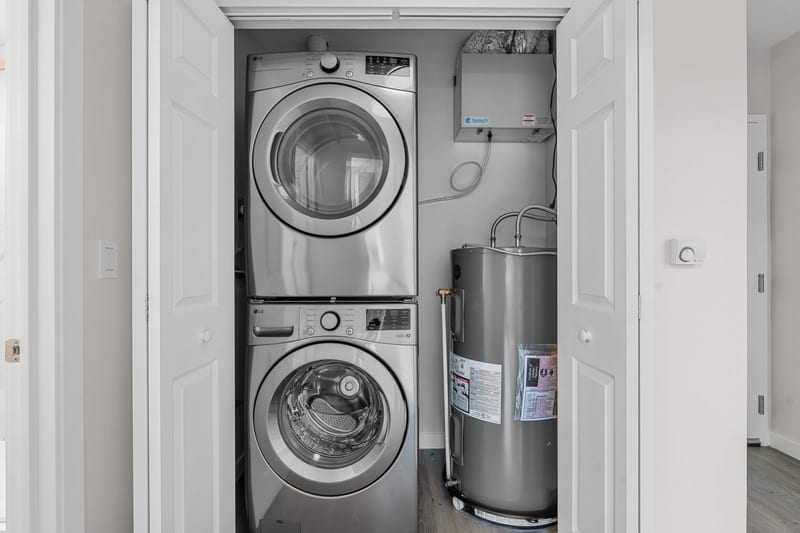
Fig. 03 · The walk through the six21 frames · photographs: Kulak Construction, 15 October 2026

  1. 80 Cannon Terrace from the street: three storeys, six units, finished 2026
    80 Cannon Terrace from the street: three storeys, six units, finished 2026
  2. The side from the street, with the houses of the street behind
  3. The rear: the parking court, the retaining wall and the fence
  4. A finished two-bedroom: the kitchen, with the window to the street
  5. The kitchen: stainless appliances, white cabinets, the stone-look splashback
    The kitchen: stainless appliances, white cabinets, the stone-look splashback
  6. The kitchen run, with the dishwasher and the range
  7. From the kitchen to the unit door
  8. The kitchen from the living room
  9. The living room, looking to the kitchen
  10. The living room and its window
  11. The living room and the kitchen together
  12. The hall to the bedrooms
  13. The hall, with the bathroom ahead
  14. The first bedroom
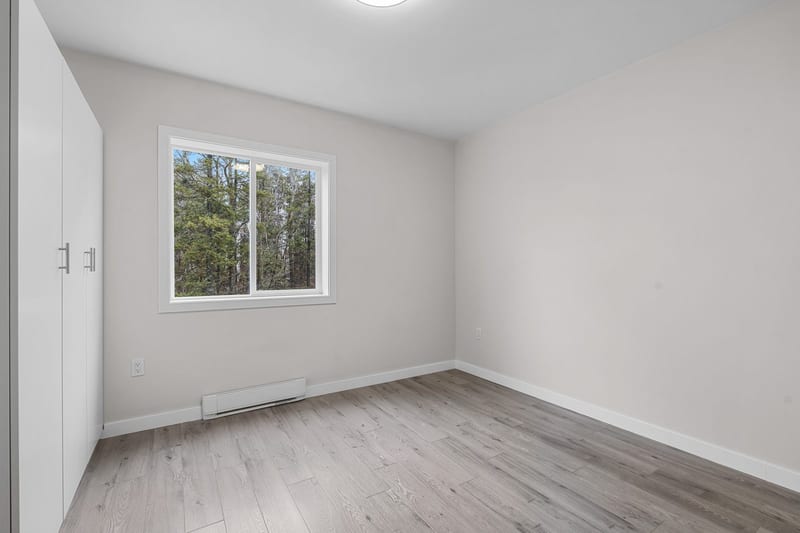
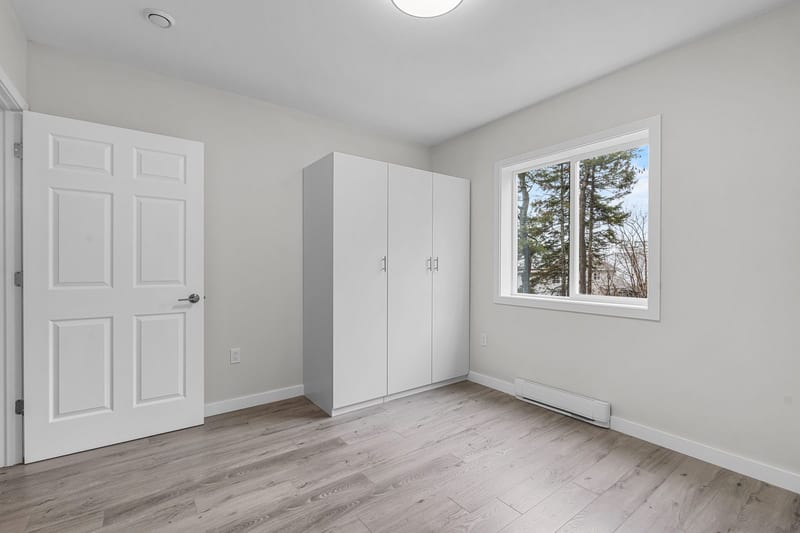
  15. The first bedroom: the wardrobe and the window
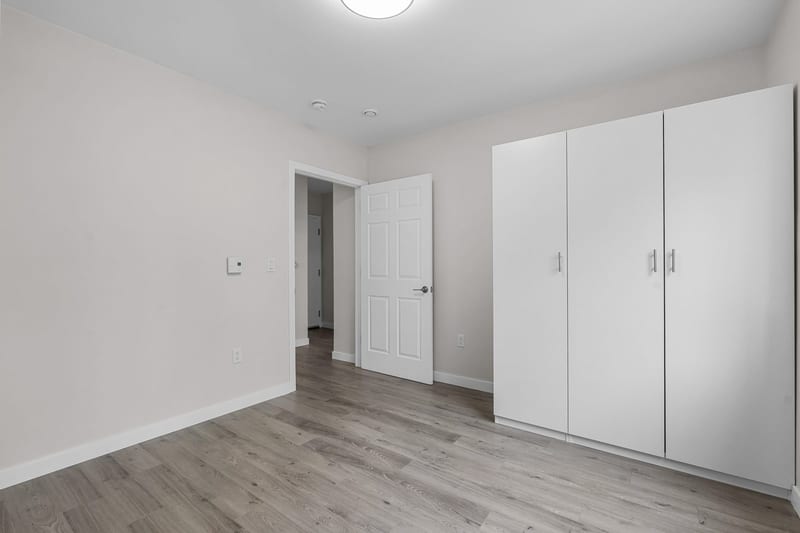
  16. The first bedroom, from the door
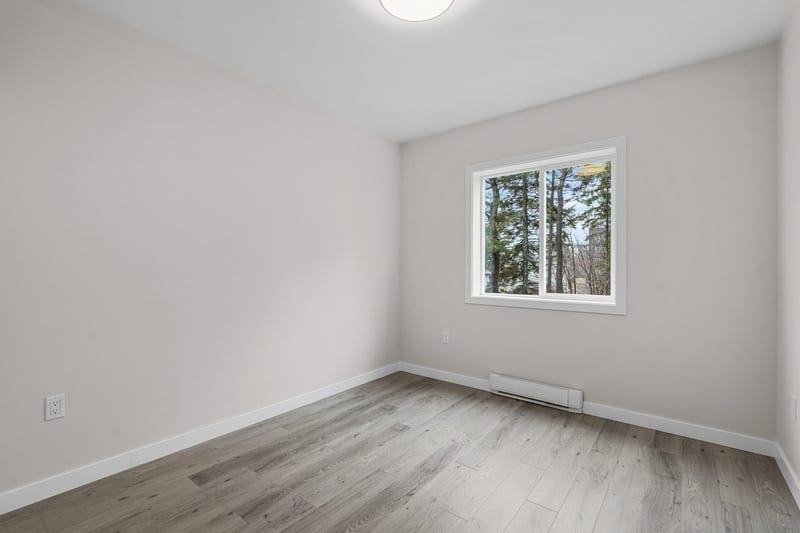
  17. The second bedroom
  18. The second bedroom: the wardrobe
  19. The bathroom: the glass shower, the vanity
  20. The bathroom: the vanity and the light
  21. The laundry closet: a stacked washer and dryer, and the water heater
    The laundry closet: a stacked washer and dryer, and the water heater
What can go wrong

11 things that can go wrong, and what stands against each.

  1. The build costs more

    The owner's cash during the build rises. The building's price is stated in the contract on signed drawings; changes the owner orders are priced at a stated rate; unforeseen ground by a stated rule with a cap.

  2. The build takes longer

    The builder's record at 80 Cannon Terrace; a completion date in the contract with the cost of lateness set against the builder; draws only against inspected work.

  3. The rents come in lower

    The lender sizes the mortgage to the signed leases, so the loan is smaller and the owner's cash left in the building is larger. We work out the downside at the rent you choose, on your own lot; nothing obliges anyone to start before the builder's eight at 46 Primrose Street has leased.

  4. The rate rises before it locks

    The owner's cash during the build rises with every tenth of a point. The window is from the decision to the lender's commitment; a lock can be bought.

  5. The lender advances less than expected

    The owner's cash during the build rises. The broker settles the lender's rule before anyone signs; we work out your cash both ways, on your own lot.

  6. A permit or the commitment is refused

    The project stops before it starts. The contracts are conditional on each; the owner owes the design and application costs to that point, and nothing to the builder.

  1. An existing mortgage on the lot

    Its balance joins the owner's cash during the build. Read from the register before anything is signed.

  2. A tenant in the house

    Nothing starts until the house is empty. The law on ending a tenancy for demolition sets the date.

  3. The builder fails mid-build

    The lender's draws mean the money is advanced only for work done; the lien holdback; builder's risk insurance during the build; the warranty; the contract's terms for completion by another contractor; and, if the owner's lawyer asks for it, a bond or letter of credit.

  4. The affordability commitment is lost

    The loan reverts to full recourse and forty years. Two units of eight at the affordable rent, reported annually; the commitment is the owner's to keep.

  5. Our interests

    The owner is advised by people paid when they build. We earn nothing if you sell; the builder's own lots are its own; the owner's lawyer and accountant read everything before signing.

Any lot

Not an ER-3 lot? Start from the lot.

We work on lots across Nova Scotia. If you own or control one, we ask the same question we ask of every lot: what would a building there be worth, and would we build it?

A first conversation covers the lot and its zone, the approvals and investigations already in hand, work already commissioned and what you want from it. If the answer is yes, the next conversation is the terms.

Tell us where the lot is
Partners

Delivery partners and specialists.

Designers, engineers, manufacturers, construction managers and site contractors bring distinct expertise. A productive engagement needs a clear brief and clear interfaces with the work around it.

For a relevant project, the conversation should establish the required contribution, available inputs, programme, deliverables and who commissions and approves the work. Appointments follow the project’s agreed delivery arrangements; participation does not imply that every specialist is Helio’s subcontractor.

Three terms that do not move: construction for a client is on an open book with a maximum price; no referral fee is paid or accepted, to anyone; the fee is stated separately from the builder’s price.
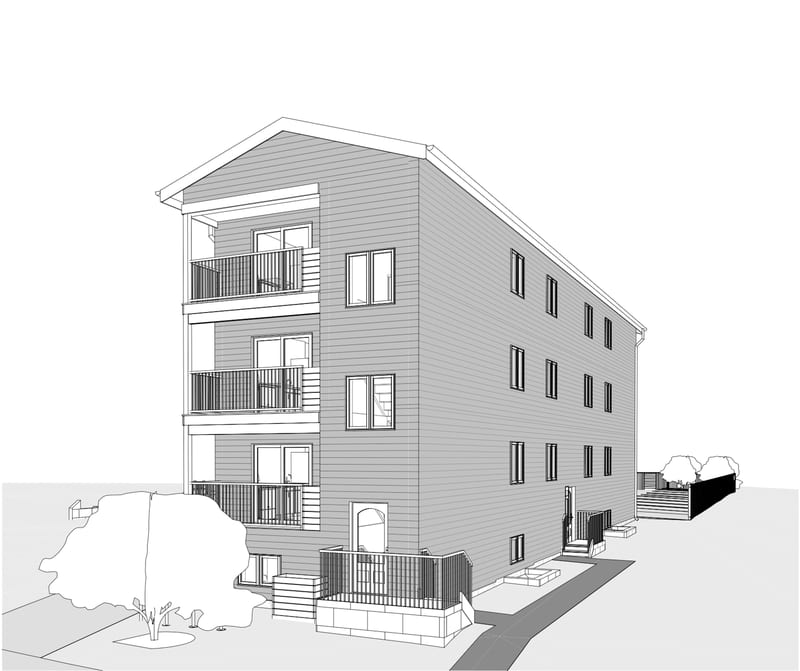
  • How a builder works with the firm Kulak Construction builds the ER-3 programme’s buildings in partnership with Helio, under its own contract with the client. The buildings Helio has designed itself, Helio builds: it buys the materials, hires the trades and manages the site.
What you agree to

The terms.

On any lot, ER-3 or not, Helio's fee is settled in person and written into one agreement before any work starts. Helio then carries the design, the approvals, the loan and the lease-up, and the builder works under its own contract with you: on an ER-3 lot, Kulak Construction. The land and the finished building stay yours.

During the build the owner puts cash in, and two of the eight units are let at the affordable rent.

  • What the reading covers The lot and its zone, the planning and market context read together, the building the numbers support, and the answer: would Helio build on it.
Questions

Questions people ask first.

How does a deal with Helio begin?

With the lot. If it is zoned ER-3, the free reading says what the zone allows on it and whether we would build on it. For any other lot in Nova Scotia, tell us where it is and we will say the same. If the answer is yes, the terms follow.

Do I have to sell my land?

No. The owner keeps the land and the finished building, and Helio is paid for the work.

Who appoints the specialists?

Appointments follow the project's agreed delivery arrangements. Who commissions each designer, engineer, manufacturer or contractor, what they must deliver and how their work is reviewed are established for the project — participation does not make a specialist Helio's subcontractor by default.

Do you build?

Yes. On its own buildings Helio runs the build itself: it buys the materials, hires the trades and manages the site, and it picks the method for each building on that building's case, panels from a Nova Scotia plant or framing on site. On the ER-3 programme, Kulak Construction builds, in partnership with Helio. Helio builds only what it has designed and worked out itself; it does not take on other people's drawings.

I already have advisers and work under way. Does that matter?

If we go ahead, the agreement says how Helio works with the advisers you already have rather than duplicating them.

What if Helio would not build on my lot?

Then we say so, with the reason: the zone, the lot, the numbers or the market. You keep what we read, and no fee is owed for the reading.

Start

Ask for the reading of your lot.

Find the lot by its street at the top of the page, or type its address. The reading reaches you by e-mail within one business day: what the lot allows under the by-law, by its size, and a time for a call to go through what a building on it would mean for you.

On an ER-3 lot Helio reads the lot, brings the financing through a broker and stays on the file to the day the units lease. Kulak Construction builds, at a price fixed in its contract.

(902) 707-5183 · Lloyd Liu

Nothing on this page is a promise of rent, value or return.

Sources: the parcel register; Kulak Construction's own record; the Centre Plan, as published; CMHC MLI Select, as published. Read 13 to 15 October 2026.

The reading of your lot.

Received.

The reading of the lot reaches you by e-mail within one business day, and Lloyd calls to hear what you want from it.