Neighbor‑Friendly Design Moves Under HR‑1: Stepbacks, Entries, and Materials That Calm Concerns
Building multi-unit properties in Halifax under the HR-1 zoning rules can help address the housing shortage while maintaining neighbourhood harmony. The key lies in using design strategies that reduce the visual impact of new developments and address common concerns like privacy, noise, and aesthetics. Here’s how HR-1 achieves this balance:
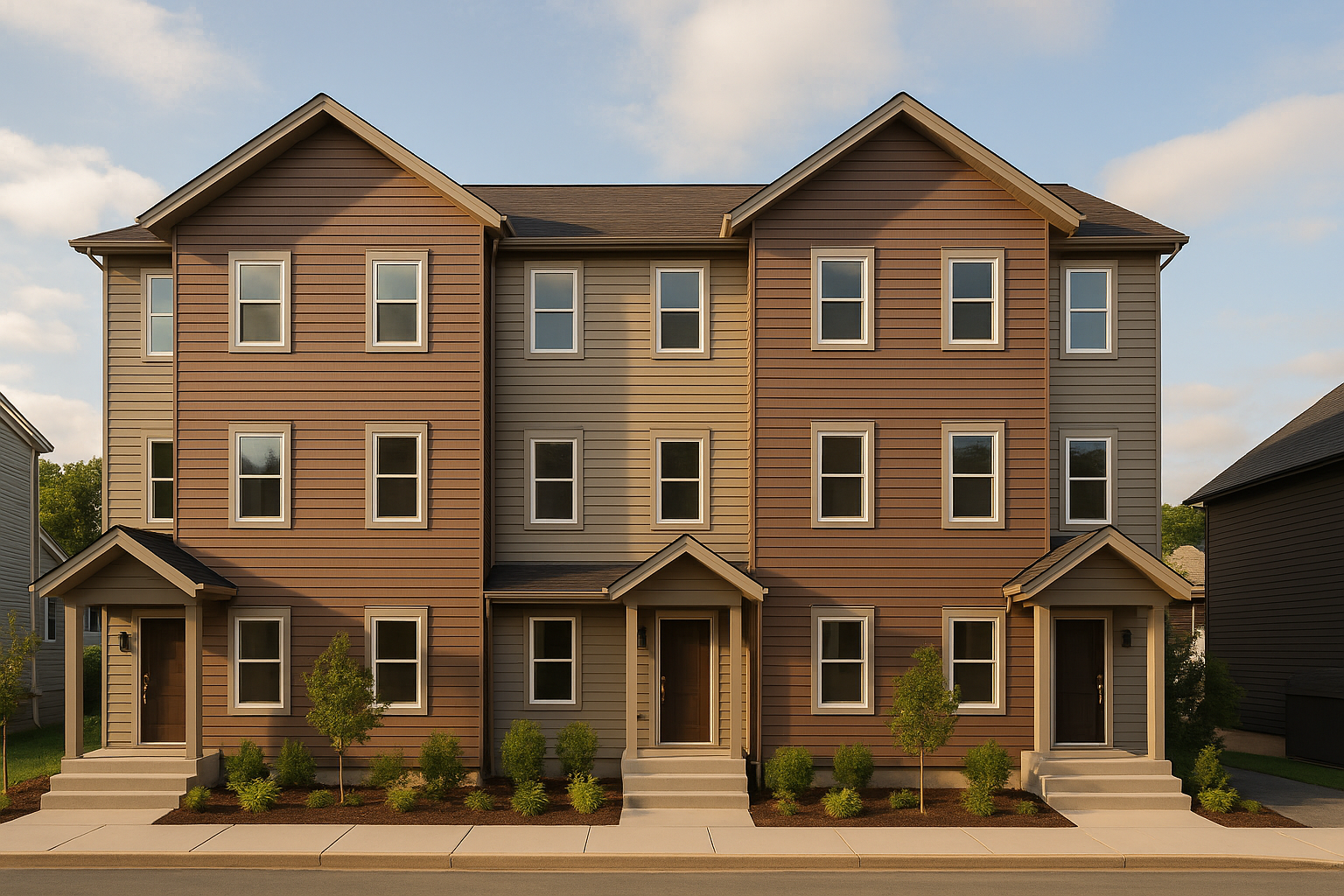
- Stepbacks: Recessed upper floors reduce the perceived size of buildings, creating smoother transitions between multi-storey structures and smaller homes.
- Entry Placement: Orienting entrances away from neighbouring windows and using landscaping buffers protects privacy and reduces noise.
- Materials: Choosing local, neutral materials like brick or wood siding ensures new buildings blend with the existing streetscape.
Using an integrated design-build approach can streamline construction, ensuring neighbour-friendly features are implemented effectively. Fixed pricing and shorter timelines (e.g., six months instead of 12–18) minimize disruptions for neighbours while maintaining high-quality standards.
Well-designed sustainable infill housing shows the future of urban development | Gardening Australia
Stepbacks: Reducing Building Size and Visual Impact
Stepbacks are a smart way to reduce the perceived size of buildings in established neighbourhoods. By creating visual breaks, they help larger structures appear less imposing and blend more naturally with surrounding homes.
What Stepbacks Are and Why HR-1 Requires Them
A stepback refers to a portion of a building that is recessed from the main wall, often on upper floors. This design creates shadow lines and breaks in the structure, giving the impression of smaller, separate sections rather than one large, uninterrupted block.
In HR-1 zoning, stepbacks play a key role in addressing common concerns from neighbours, such as overshadowing and the overwhelming presence of large buildings. When a multi-storey structure is next to a smaller home, the abrupt height difference can feel jarring. Stepbacks help soften these transitions, making the building feel more in tune with its surroundings.
Let’s look at practical ways to incorporate stepbacks into building designs.
Practical Stepback Design Methods for Multi-Unit Buildings
There are several effective ways to integrate stepbacks into multi-unit buildings:
- Upper-floor stepbacks: This approach involves progressively recessing the upper levels of a building. For example, the ground floor might align with the setback line, while each upper floor is set further back. This terraced look reduces the building's apparent height from the street and can also create appealing outdoor spaces like balconies or terraces.
- Ground-level stepbacks: Here, the main building mass is set further back from property boundaries at ground level, leaving room for landscaped areas. These buffers can include mature trees, shrubs, or decorative fencing to help the building fit more naturally within the neighbourhood.
- Articulated stepbacks: This method breaks up long walls by varying the depth of the recesses along different sections. It’s particularly effective on corner lots, where alternating projections and recesses can add visual interest and avoid the monotony of a flat façade.
When thoughtfully designed, stepbacks not only meet functional goals but also enhance the building’s appearance and create valuable outdoor spaces, aligning with HR-1 requirements.
Meeting HR-1 Stepback Rules and Requirements
To comply with HR-1 zoning rules, stepback designs must be carefully planned to ensure they address neighbour-friendly development standards. For instance, larger buildings must include stepbacks on any sides facing residential properties. On corner lots, additional factors may influence where and how stepbacks are applied.
Compliance requires detailed documentation. Permit submissions must include elevation drawings that clearly show how stepback dimensions meet the minimum setback distances. These drawings should also reflect any additional guidelines based on nearby uses or heritage considerations.
When reviewing plans, planning staff focus on whether the design achieves a genuine reduction in visual mass. Superficial or minimal recesses won’t meet the intent of the regulations. The goal is to create a meaningful decrease in the building’s visual impact for both neighbours and pedestrians.
Entry Placement: Managing Access While Protecting Neighbour Privacy
Thoughtful entry placement is key to balancing functionality and privacy. Where and how entrances are positioned can influence privacy, noise levels, and the flow of foot traffic around your property.
Positioning Entries for Privacy
To maintain neighbourly harmony, it's important to consider sight lines and traffic flow when planning entry placement. Avoid aligning main entrances with neighbouring windows, especially at ground level, where privacy concerns are most pressing. Instead, orient entrances toward the street or property corners to prevent direct views into adjacent homes.
Side-yard entries are a good option when there’s sufficient space between properties. A buffer of at least 3 metres from the property line allows for landscaping that can further enhance privacy and separation.
For corner properties, positioning the entry on the street-facing side is often the most practical choice. This keeps tenant traffic away from neighbouring backyards, reduces intrusion, and enhances the building’s street presence.
Rear entries should be limited unless required by building codes. If a rear entrance is necessary - such as for accessibility or fire safety - use privacy screens or strategic landscaping to reduce visibility into neighbouring spaces.
Next, let’s look at how landscaping can reinforce these strategies.
Using Landscaping and Design to Create Privacy Buffers
Recessed entryways are a great way to reduce noise and limit sight lines. By setting the entrance back from the building’s main facade, you create a natural buffer. A recess of 1.5 to 2 metres can provide meaningful separation while also adding architectural interest.
Evergreen screening is an effective year-round solution for privacy. Plant mature cedar hedges or install decorative fencing near entrances, ensuring these barriers are at least 1.8 metres high. This height offers effective visual coverage while maintaining a proportional and appealing look.
Pathway design can also play a role in protecting privacy. Curved walkways that guide visitors away from neighbouring windows are preferable to straight paths that create direct sight lines. Adding low retaining walls, planters, or decorative features can naturally direct foot traffic while enhancing the overall aesthetic.
Lighting placement is another important consideration. Downward-facing fixtures and motion sensors help avoid light spilling onto neighbouring properties. This ensures safety lighting is functional without causing ongoing disturbances.
While landscaping and design help create privacy, it’s equally important to ensure compliance with accessibility standards.
Entry Design and Nova Scotia Building Code Accessibility Rules
All accessible entries, including ramps and door swings, must meet Nova Scotia Building Code requirements while maintaining privacy features. For example, L-shaped ramps are a practical choice - they meet code standards while reducing visual impact.
Weather protection elements, such as canopies or overhangs, can be designed to complement privacy measures. When integrated with landscaping, these features not only provide shelter but also serve as additional visual barriers.
For larger buildings, consider separating accessible and standard entrances. This approach can enhance privacy, simplify maintenance, and ensure compliance with accessibility rules without compromising the overall design.
Materials that blend seamlessly with local streetscapes can help ease concerns from neighbours. Start by assessing the local area to pinpoint dominant materials, colour schemes, and architectural details. These observations should guide your material selection process.
In Nova Scotia neighbourhoods, traditional materials like cedar shingles, brick, and painted wood siding are common choices. Stick to neutral tones - soft greys, warm whites, and earthy colours - that complement nearby homes. For roofing, asphalt shingles in shades like charcoal, brown, or grey work well. Similarly, matching window styles and proportions to neighbouring houses ensures the design feels cohesive and respectful of the existing streetscape.
In August 2025, a four-unit building near Established Residential (ER) streets in Nova Scotia, designed to mimic the look of a large home by using similar materials, colours, and design elements, faced less resistance than a structure with a commercial or institutional appearance. This highlights the importance of visual compatibility in fostering community acceptance.
(Source: Helio Urban Development blog, "Stepbacks and Shadow in HR‑1 (HR1): Designing Next to ER Streets", 2025)
sbb-itb-16b8a48
Addressing Neighbour Concerns Through Thoughtful Material Choices
Beyond aligning with local styles, investing in high-quality materials demonstrates respect for the neighbourhood and reassures residents. When premium, recognizable materials are used, neighbours are more likely to see the project as a positive addition that preserves property values and enhances the area’s character.
Material transitions at stepbacks can also play a key role in design. For instance, using heavier materials like brick or stone at the base and shifting to lighter cladding for upper floors helps reduce the building’s perceived size. This technique creates visual breaks and makes the structure feel more like a thoughtfully designed large home rather than an imposing multi-unit building.
When material choices harmonize with the surrounding streetscape, the building is more likely to be seen as a natural extension of the neighbourhood rather than a disruptive addition. This sense of visual unity can significantly improve community acceptance.
Integrated Design-Build Approach: Avoiding Common Construction Problems
When building multi-unit properties under HR-1, the construction method you choose matters a lot. It doesn't just determine your project's success - it also influences how your neighbours feel about the entire process. Traditional construction methods often create the exact headaches that spark neighbourhood opposition: long timelines, unexpected costs, and unpredictable disruptions.
How Integrated Design-Build Simplifies Construction
One of the biggest challenges property owners face when building multi-unit properties is managing a scattered team. Typically, they hire separate companies for planning, architecture, engineering, and construction. Then they spend months trying to get everyone on the same page. This fragmented approach often leads to miscommunication, delays, and costly mistakes.
Integrated design-build takes a different route. It combines all these professionals - planners, architects, engineers, and construction teams - under one roof. By working together from the very beginning, they can identify and address potential issues before they escalate. This teamwork eliminates the blame game that often drags out construction timelines.
When design and construction teams operate as a single unit, coordination becomes seamless. This not only reduces costs but also allows for accurate timelines since the entire process is under one team's control.
This approach also ensures that neighbour-friendly design features, like stepbacks, are executed as intended. With architects and builders collaborating directly, there's no risk of plans being altered due to miscommunication or budget cuts. The result? Fixed pricing, reliable schedules, and a smoother experience for both property owners and neighbours.
How Fixed Pricing and Timelines Benefit Neighbours
Traditional cost-plus construction often leads to extended timelines, leaving neighbours frustrated by prolonged noise, dust, and disruption. Even those who were initially supportive can grow resentful when projects drag on.
Fixed-price construction with guaranteed timelines changes the game. When companies commit to specific completion dates - and back those commitments with financial penalties for delays - they’re highly motivated to stick to the schedule. For instance, integrated teams may impose penalties of up to $1,000 per day for delays, ensuring property owners can start collecting their expected $8,800 monthly rental income on time.
This level of predictability allows property owners to communicate clearly with neighbours. Instead of vague assurances like "it’ll be done soon", they can share exact end dates backed by financial guarantees. Knowing when the disruption will end makes neighbours more tolerant of temporary inconveniences.
Budget certainty also improves neighbour relations. When property owners know their exact costs upfront, they’re less likely to cut corners on features that help the building fit into the neighbourhood, like high-quality materials or attractive landscaping. Cost overruns, on the other hand, often force owners to sacrifice these neighbour-friendly elements.
Comparison: Fragmented Construction vs Integrated Design-Build
Here’s a side-by-side look at how integrated design-build outshines the fragmented approach:
| Aspect | Fragmented Construction | Integrated Design-Build |
|---|---|---|
| Timeline Certainty | 12–18 months typical, often extended | 6 months guaranteed with penalties |
| Budget Predictability | Cost-plus with frequent 30–60% overruns | Fixed price locked in before construction |
| Neighbour Impact | Extended disruption, unclear end date | Predictable timeline, faster completion |
| Quality Control | Multiple companies, inconsistent standards | Single company accountability |
| Problem Resolution | Contractors blame each other | One point of contact for all issues |
| Communication | Owner juggles 6+ relationships | Single relationship with full transparency |
The benefits extend beyond faster timelines. Integrated teams can provide daily photo updates and clear communication because they oversee the entire project. Neighbours see steady progress instead of the frustrating stop-and-start rhythm common with fragmented construction.
Quality assurance also improves under this model. Professional Engineers inspect the site multiple times during construction, and property owners can even select their final inspector. This process ensures higher standards, which neighbours notice in better materials, cleaner work sites, and proper attention to details like site cleanup.
The financial structure of integrated design-build further supports positive outcomes. With comprehensive warranties and a reputation to uphold, these companies are motivated to address neighbour concerns proactively. By uniting design and construction under one team, they create a smoother process that fosters community acceptance and trust.
Conclusion: Building Community‑Friendly Multi‑Unit Properties under HR‑1
Creating multi-unit properties under HR‑1 calls for a design approach that prioritizes harmony with the surrounding neighbourhood. By focusing on thoughtful design elements - like stepbacks, carefully placed entrances, and high-quality materials - developers can ensure that new buildings complement their environment, easing community concerns and fostering acceptance.
However, fragmented construction processes can jeopardize these neighbour-focused features. Cost-cutting measures often undermine the original design intent. An integrated design-build approach addresses this challenge by keeping all stakeholders - architects, engineers, and builders - on the same page from the very start. This collaboration ensures that the project stays true to its vision, reducing the likelihood of miscommunication or compromises.
"A hands-on collaborative approach between the owner, design and construction teams from the start is critical. It creates a single point of accountability model and allows for the partners involved in the project to collaboratively conceptualize, design, and price the project while solving problems and timing concerns along the way, ultimately improving project quality and value."
– Jaime Northam, Vice President of Healthcare Development, Ryan Companies [1]
Fixed pricing models, like Helio's $160,000 per unit with no overruns, further secure the budget for essential community-friendly features, avoiding the need for shortcuts. Additionally, integrated design-build methods cut construction timelines significantly - from the typical 12–18 months down to a guaranteed 6 months - while imposing financial penalties for delays. This approach not only reduces disruptions for neighbours but also ensures a smoother, more efficient process.
Neighbour-friendly designs also deliver tangible benefits for property owners: higher rental income, reduced vacancies, and fewer conflicts with the local community. For instance, such developments often achieve monthly rents in the range of $1,950 to $2,100.
FAQs
How do stepbacks in building design help multi-unit properties fit better into established neighbourhoods?
Stepbacks are a clever design technique used to make buildings look less massive and overwhelming. By gradually recessing the upper floors, they create a tiered appearance that helps the structure feel more balanced and in tune with its surroundings.
This method is especially useful for multi-unit buildings, as it eases their visual impact. It allows these structures to integrate more smoothly into existing neighbourhoods, addressing typical concerns from residents about size and how well the building fits in with the area.
What are the advantages of using an integrated design-build approach for neighbour-friendly multi-unit projects under HR-1 zoning?
An integrated design-build approach is a smart way to tackle neighbour-friendly multi-unit developments under HR-1 zoning. By merging the design and construction processes into one cohesive workflow, this method ensures smoother coordination, reduces delays, and simplifies communication. It also allows teams to address community concerns early, focusing on issues like privacy, visual impact, and maintaining harmony with the neighbourhood.
This approach makes it easier to incorporate thoughtful design features. For instance, stepbacks can help reduce the building's visual prominence, while carefully positioned entries enhance privacy for both residents and neighbours. Using materials that complement the surrounding area further ensures the development feels like a natural part of the community. The end result? A project that not only meets HR-1 zoning requirements but also builds goodwill with neighbours and boosts property value.
How do building materials impact neighbourhood acceptance of small multi-unit developments in Halifax?
When planning a small multi-unit development, the materials you select play a big role in how the project is perceived by the community. Choosing materials that match the neighbourhood's architectural style and character helps the building fit in naturally, minimizing any visual disruption.
Carefully considered material choices can also show regard for the local environment and community concerns, helping to build positive relationships with neighbours. By focusing on quality, durability, and visual appeal, you can ensure the project meets zoning guidelines while aligning with community expectations, resulting in a well-integrated and balanced design.