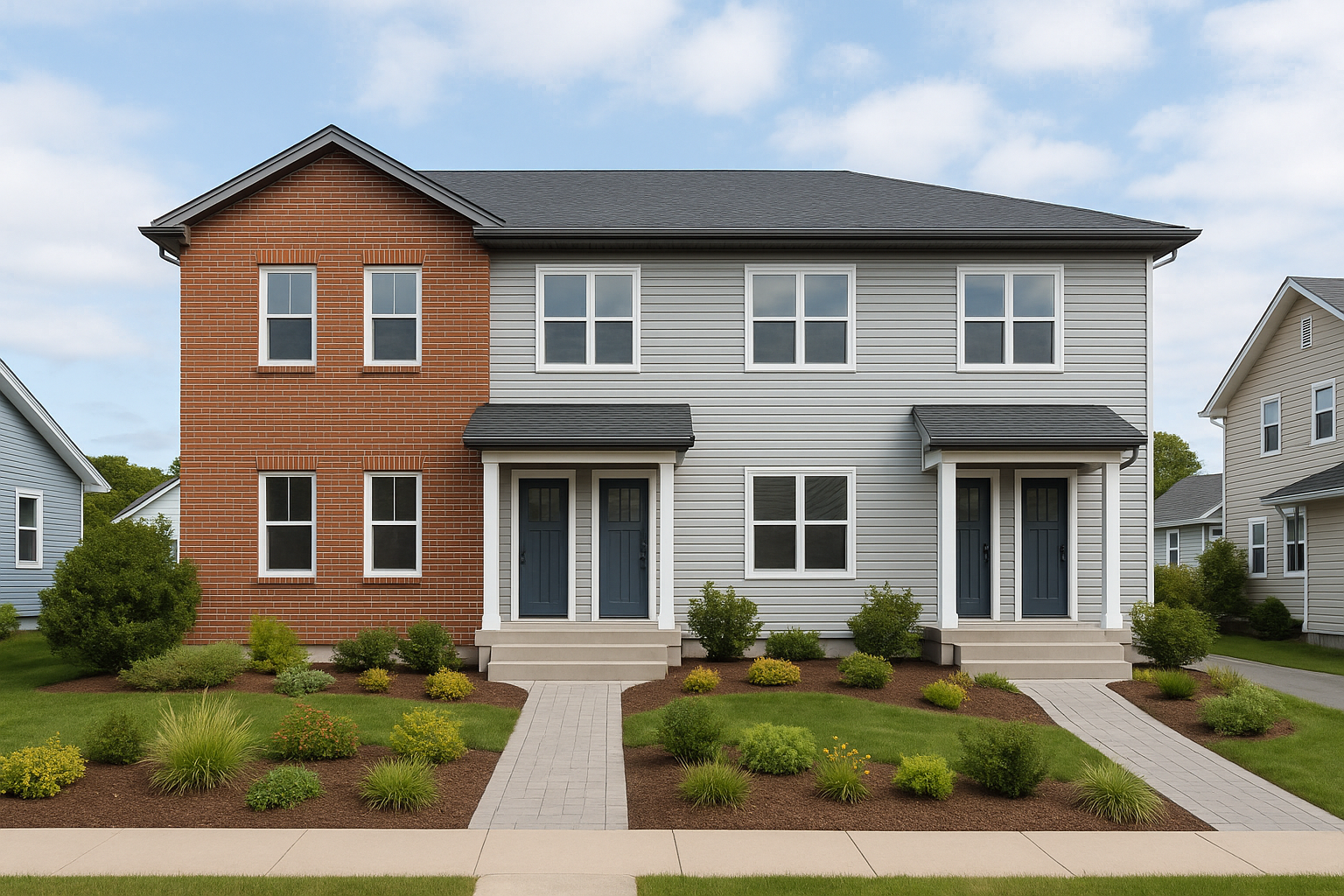
Designing to Pass Neighbour Scrutiny in HR‑1: Seven Principles for Context‑Fit Buildings
When developing multi-unit rental properties in HR-1 zones, blending your project with the neighbourhood is key to avoiding delays, reducing opposition, and securing approvals. HR-1 zones, often meant for single-family homes, allow limited multi-unit developments if they align with local rules and aesthetics. The article outlines seven principles to help you design buildings that fit seamlessly into their surroundings while addressing common concerns like parking, privacy, and landscaping.
Key takeaways:
- Understand HR-1 zoning rules: Follow height, setback, and density limits to ensure compliance and avoid costly revisions.
- Match neighbourhood style: Align building design, materials, and colours with local architectural patterns to reduce resistance.
- Plan landscaping early: Use outdoor spaces and stormwater management to enhance curb appeal and meet local regulations.
- Address neighbour concerns: Tackle issues like parking, noise, and privacy upfront to build trust and acceptance.
- Use integrated construction: A single design-build team improves timelines, quality, and cost control.
- Engage with the community: Start conversations early, provide updates, and respond to feedback to gain support.
- Balance profit and fit: High-quality designs attract tenants, improve ROI, and strengthen neighbourhood relations.
By following these principles, you can create context-fit buildings that meet community expectations, secure faster approvals, and achieve strong financial returns.
Principle 1: Know HR‑1 Zoning Rules and Requirements
Before diving into the design phase, it's crucial to understand the rules that govern HR‑1 zoning. These regulations will guide decisions like building placement, height, and the number of units, helping you avoid costly mistakes down the road. A solid grasp of HR‑1 zoning not only keeps your project in line with local requirements but also ensures it fits the character of the neighbourhood. This understanding lays the groundwork for a design that meshes well with community expectations.
Main HR‑1 Zoning Rules
HR‑1 zones in the Halifax Regional Municipality are regulated by specific municipal Land Use By-laws. While these zones have historically been home to single-family residences, many now allow for limited multi-unit developments under certain conditions.
- Height restrictions: Buildings are generally capped at 10.7 metres (35 feet), which accommodates two to three storeys.
- Setback requirements: These establish buffers between your building and property lines. Front setbacks usually range from 6 to 9 metres (20 to 30 feet), rear setbacks require at least 7.6 metres (25 feet), and side setbacks typically fall between 1.5 and 3 metres (5 to 10 feet), depending on the specific area.
- Density limits: These dictate the number of units allowed on a lot. Factors like lot coverage, floor area ratios, and minimum unit sizes all come into play, with details varying by HR‑1 designation and the applicable Land Use By-law.
- Permitted uses: While single-family homes remain the standard, some HR‑1 zones allow for limited multi-unit developments such as duplexes, townhouses, or small apartment buildings, provided they meet specific conditions outlined in the Land Use By-law.
Meeting Regulatory Requirements
Once you've nailed down the zoning basics, the next step is aligning your project with broader municipal and provincial standards. This involves navigating multiple layers of compliance.
Start with the Nova Scotia Building Code, which incorporates the National Building Code of Canada 2020 and the National Energy Code of Canada for Buildings 2020. These codes set essential standards for fire safety, accessibility, structural integrity, and energy efficiency.
To begin the municipal review process, submit a detailed development permit application. This includes site plans, elevation drawings, landscaping details, and engineering reports. Halifax planning staff will review your submission to ensure it aligns with the applicable Land Use By-law and any secondary planning strategies.
Building officials will evaluate critical elements like sewage systems, electrical work, fire safety, highway access, and heritage considerations. If any of these areas fall short of compliance, permits can be delayed or denied. Accurate and thorough submissions are key to keeping the process on track.
Site plan approval is another major milestone. This step often involves public consultation, where neighbours can provide feedback. Projects that strictly adhere to setbacks, height restrictions, and design guidelines are more likely to proceed smoothly through this phase.
Throughout construction, mandatory inspections occur at critical stages, such as foundation work, framing, insulation, and final occupancy. Inspectors will ensure your build meets approved plans and relevant codes, and each phase must pass inspection before moving forward. Proper documentation is essential to avoid delays.
Keep in mind that even small design changes, like adjusting the building footprint, can have a ripple effect. You may need to update engineering calculations, revise landscaping plans, or notify neighbours again. Anticipating these connections early on can save time and prevent unexpected hurdles during the approval process.
Principle 2: Match Your Building to the Neighbourhood Style
Designing a building that fits seamlessly into the surrounding neighbourhood can make a world of difference when it comes to reducing opposition and gaining faster approvals. In HR-1 zones, which are focused on preserving residential character, your design needs to feel like a natural extension of the existing architectural landscape. A thoughtfully designed four-unit building, for instance, can blend in just as well as a large single-family home when it respects the area's established style. This approach not only encourages community acceptance but also simplifies municipal approval.
Design for Visual Fit
Start by studying the neighbourhood's architectural details. Take note of building heights, rooflines, window proportions, and the spacing between structures. These elements create a visual rhythm that gives neighbourhoods their cohesive feel.
Pay close attention to the scale and mass of nearby buildings. In HR-1 zones, you'll often find two- to three-storey structures with varied rooflines and proportions that feel approachable. Your design should reflect these characteristics. On sloped lots, consider using stepped masses to follow the natural contours of the land instead of forcing the design to fight against the grade.
Rooflines are especially important for creating visual harmony. If the neighbourhood is filled with gabled roofs, a flat-roofed contemporary structure will stand out - and not in a good way. Study common roof pitch angles, overhangs, and dormer styles in the area, and incorporate similar elements into your design to meet HR-1 expectations.
Window placement and proportions also play a key role in maintaining harmony. Many traditional HR-1 neighbourhoods feature vertically oriented windows with consistent spacing. Think about how windows align across different floors and how they fit into the overall façade. Ignoring these patterns can make even a technically compliant building feel out of place.
When presenting your design, include a streetscape elevation that shows how your building compares to structures within 30 metres (100 feet) on either side. If your design looks dramatically different, make adjustments. Once the form aligns with the neighbourhood’s style, choose materials and colours that further enhance the sense of integration.
Choose the Right Materials and Colours
The materials you choose can make or break your design’s ability to blend in. HR-1 areas often feature brick, natural stone, wood siding, and metal roofing - materials that age gracefully and reflect the character these zones aim to preserve.
Brick is a common choice in many HR-1 neighbourhoods. When using brick, match the colour, texture, and mortar joint styles of nearby buildings. For accents, natural or cast stone can be used for foundation walls, entryways, or trim details, adding a sense of permanence and quality.
Wood siding is another popular option, but it requires careful selection. Traditional styles like clapboard, shingles, or board-and-batten work well when they align with local patterns. Avoid synthetic siding at street level, as it often lacks the depth and texture of traditional materials. Engineered materials can be used on less visible façades, but invest in authentic materials for the parts of the building that face the street.
When combining multiple materials, establish one as the dominant choice and use the others as accents. Make material transitions at logical points, such as inside corners or where materials wrap around exterior corners by at least 60 centimetres (2 feet). This approach helps avoid a patchwork appearance and ensures visual coherence.
Pay attention to the neighbourhood’s colour palette. Many HR-1 areas feature earth tones, muted blues and greens, or whites and greys. While bold colours might reflect individual style, they can provoke resistance from neighbours and complicate the approval process.
For masonry façades, include thoughtful details like lintels or arches above openings. These elements signal quality construction and respect for traditional building methods. If you’re considering sustainable materials, they may justify slight deviations from traditional choices, especially if you can demonstrate their environmental benefits to both planning staff and neighbours. However, even sustainable materials should contribute to the overall visual compatibility of your design.
Principle 3: Plan Landscaping and Outdoor Areas
Landscaping serves as more than just an aesthetic enhancement; it acts as a bridge between your building and the surrounding neighbourhood, often playing a key role in meeting municipal requirements for project approval. In HR-1 zones, outdoor spaces need to strike a balance between curb appeal, tenant functionality, stormwater management, and maintaining the area’s residential character. To achieve this, landscaping must seamlessly combine visual charm with compliance to local regulations.
It’s essential to start planning landscaping early in the design phase. This approach ensures proper coordination of grading, drainage, and utility placements while also considering how the outdoor spaces will appear from both the street and neighbouring properties. Thoughtfully designed landscaping can make a four-unit building feel smaller and more in tune with its residential surroundings.
Design Useful Outdoor Spaces
To create outdoor areas that are both functional and visually appealing, begin by studying the natural features of your site. Assess the existing topography, drainage patterns, soil conditions, and mature vegetation. Preserving established trees - especially those over 20 centimetres (8 inches) in diameter, which often require permits for removal - can significantly improve community acceptance of your project.
Divide the space into zones to make the landscape more purposeful. Public-facing areas near the street, semi-private spaces closer to the building, and private outdoor areas for ground-floor units can all coexist harmoniously. This layered approach addresses privacy concerns while adding depth and interest to the design.
Front yard landscaping should align with the patterns of nearby properties to avoid raising objections. For example, if neighbouring homes feature foundation plantings, lawns, or mature trees, your design should reflect these elements in a scaled-down and thoughtful way.
Choose plants suited to the local climate, particularly those native to Atlantic Canada. Species like Eastern White Cedar, Red Maple, and native ferns require minimal upkeep and thrive in the region’s harsh winters and humid summers. These plants not only reduce maintenance demands but also support local ecosystems and align with municipal environmental goals.
For year-round appeal, combine evergreens like White Spruce or Balsam Fir with plants that offer seasonal interest, such as Serviceberry or Dogwood for spring blooms and ornamental grasses for winter texture. Avoid plant combinations that demand excessive upkeep or appear sparse during the long winter months.
Plan walkways and shared spaces with practicality and proportionality in mind. Shared patios or garden areas can be a strong selling point for tenants, but they should feel well-scaled to the building size. Using permeable paving materials for walkways and patios can enhance stormwater management while providing attractive, durable surfaces.
Storage areas for bicycles, garbage, and recycling should be screened with a combination of fencing and plantings. These enclosures should look intentional and cohesive with the overall landscape design, ensuring they serve their purpose without detracting from the property’s appearance.
Handle Environmental and Stormwater Rules
Stormwater management has become a critical aspect of landscaping in HR-1 zones, with municipalities now requiring runoff to be managed on-site rather than relying on storm sewers. When approached thoughtfully, these requirements can enhance your landscape design.
Rain gardens and bioswales are excellent options for managing stormwater while adding visual interest. These planted depressions collect and filter runoff from roofs, driveways, and walkways, blending functionality with beauty. Choose plants like Blue Flag Iris, Wild Ginger, or Swamp Milkweed, which can handle both wet and dry conditions.
Use permeable surfaces wherever possible to reduce runoff. Options include permeable pavers for driveways and walkways, gravel for utility access, and planted strips between parking spaces. These materials not only manage water effectively but also break up large paved areas visually.
Consider incorporating green roof elements or planters on flat roof areas, balconies, or terraces. While full green roofs may not be cost-effective for smaller buildings, container gardens or built-in planters can achieve similar benefits on a smaller scale. These features demonstrate environmental responsibility and can help ease concerns from neighbours about the building’s impact.
Grading and drainage should guide water away from the building while enhancing the landscape’s appearance. Subtle berms and swales can add visual interest without making the property look over-engineered. Avoid dramatic grade changes that require extensive retaining walls or disrupt the natural flow of the site.
Collaborate with your municipality’s environmental services department early in the process. Many cities offer incentives or reduced fees for projects that exceed basic stormwater management requirements. Some municipalities even provide plant lists or design guidelines for bioretention areas, making it easier to select appropriate plants and gain approval.
Don’t overlook soil quality and preparation. Construction often compacts soil and removes topsoil, so plan for amendments and proper preparation before planting. Healthy soil supports robust plant growth, reduces maintenance needs, and improves stormwater infiltration.
Finally, ensure your development application clearly documents all environmental features. Include details on plant species, stormwater calculations, and maintenance plans. Providing this level of detail not only demonstrates professionalism but also helps municipal staff see how your landscaping plan meets regulations while enhancing the neighbourhood’s character. This thorough approach can increase the likelihood of both regulatory approval and community support.
Principle 4: Handle Common Neighbour Concerns
For HR‑1 projects to succeed, they must address the everyday worries of nearby residents. Issues like parking shortages, increased traffic, privacy concerns, and noise disruptions can either make or break a project. Ignoring these concerns often leads to opposition, but thoughtful design can turn sceptics into supporters.
Neighbours are primarily concerned with how a project will affect their daily lives. Showing that your project can either maintain or improve local conditions is key to gaining community acceptance. Tackling these concerns upfront also lays the groundwork for addressing more technical design challenges later.
Address Parking and Traffic Concerns
Parking is a frequent sticking point for residents, who often worry about losing street parking or dealing with overflow from new tenants. A well-planned approach to parking and traffic flow can ease these fears.
- Go beyond the basics: If HR‑1 zoning requires 1.5 parking spaces per unit, consider exceeding that standard. For a four-unit building, providing additional spaces can address concerns about street parking availability.
- Blend parking into the design: Avoid large, front-facing lots that dominate the property. Instead, split parking between the front and rear or use landscaping to screen vehicles. Configurations like L‑shaped or U‑shaped lots reduce visual impact while maintaining functionality.
- Plan for visitors: Designate specific visitor parking spaces or set clear expectations for tenants about hosting guests. This helps keep street parking available for others.
- Manage traffic flow: Position driveways away from busy intersections or school zones. Align driveways with existing ones on the street when possible, and consider shared driveway agreements with neighbours to improve traffic flow.
- Prepare for winter: In Halifax, snow storage is a must. Designate areas for snow removal to ensure parking spaces and sightlines remain clear. Traffic-calming measures like speed bumps or narrowed driveway entrances can also enhance safety during icy months.
Ensure Privacy and Minimize Noise
Privacy and noise are common concerns that often centre on window placement, outdoor spaces, and mechanical equipment. Thoughtful design and operational strategies can address these issues effectively.
- Window placement: Avoid direct views into neighbouring bedrooms or living areas. When this isn’t feasible, use frosted glass, window films, or architectural features like overhangs to maintain privacy while allowing natural light.
- Outdoor spaces: Ground-level patios are generally less intrusive than elevated decks. If upper-level balconies are necessary, add privacy screens, landscaping, or architectural elements to block views and reduce noise.
- Mechanical systems: Place HVAC units, heat pumps, and ventilation equipment away from neighbouring windows or outdoor spaces. Use vibration-dampening pads and acoustic screening to keep noise levels low.
- Fencing and landscaping: Instead of a uniform 1.8‑metre privacy fence, consider a mix of materials, graduated heights, or living screens to create privacy in a visually appealing way.
- Sound insulation: Proper insulation, sound-rated assemblies, and thoughtful unit layouts can prevent internal noise from disturbing neighbours.
- Lighting: Use shielded fixtures, motion sensors, and warm-colour LED lights to enhance security without causing light pollution. Avoid high-intensity fixtures that spill light onto adjacent properties.
- Tenant policies: Include quiet hours, guest rules, and outdoor space guidelines in lease agreements. Welcome packages that introduce neighbourhood norms can help new tenants integrate smoothly.
- Buffer zones: Adding 1.5–2 metres of extra space between your building and neighbouring properties, whether through landscaping or strategic placement, can significantly reduce privacy and noise concerns.
sbb-itb-16b8a48
Principle 5: Choose Integrated Construction Over Fragmented Methods
Traditionally, building multi-unit rental properties involves a scattered approach: hiring separate professionals like architects, engineers, general contractors, and several subcontractors. While this might seem logical, it often creates a logistical nightmare. Miscommunication, cost overruns, and timeline delays are common headaches that can derail your HR-1 project before it even gets the green light from neighbours.
When you're already dealing with zoning rules and addressing community concerns, the last thing you want is construction chaos that balloons your budget and stretches out timelines. Integrated design-build construction offers a smarter alternative. This method tackles these challenges head-on while delivering a project that fits the local context, ensuring smoother execution and fewer hiccups.
How Integrated Construction Works
Integrated construction brings everyone - architects, engineers, and contractors - under one roof. This team works together from start to finish, sharing accountability for the entire project. The result? Faster timelines, fewer delays, and a more seamless experience that inspires neighbour confidence by showing steady progress.
Why Integrated Design-Build Makes Sense
The standout benefit of integrated construction is single-point accountability. When design, engineering, and construction teams collaborate from day one, they can spot and address potential issues early, avoiding costly setbacks. This approach is especially valuable in HR-1 zones, where prolonged construction can quickly sour community relations.
One major advantage is cost certainty. Integrated construction locks in fixed pricing before the project even begins. Unlike traditional cost-plus contracts, which can lead to budget overruns of 30–60%, this approach eliminates financial guesswork. Knowing your costs upfront helps you stay on track and maintain neighbour support while safeguarding your return on investment (ROI).
Timelines are another game-changer. For example, Helio Urban Development, a Nova Scotia-based company specializing in 4+ unit rental properties, completes projects in just six months. They even offer financial penalties - up to $1,000 per day - if they miss their deadlines. Compare that to the typical 12–18 months required by traditional methods, and it’s easy to see the appeal.
"I personally guarantee every timeline because I've felt the pain of construction delays", says Lloyd Liu, co-founder and CEO of Helio, who founded the company after experiencing contractor setbacks on his first project.
More Than Just Speed: Cost Savings and Quality Control
Integrated teams also cut down on coordination expenses. By eliminating the inefficiencies and miscommunications that come with juggling multiple contractors, you save both time and money. This streamlined approach ensures smoother operations and fewer costly reworks.
Quality control also gets a boost. With one company overseeing everything, systematic quality checks become standard practice. For instance, integrated builders can arrange for a Professional Engineer to inspect the work at multiple stages of construction. In contrast, fragmented methods often allow quality issues to slip through the cracks because no single contractor takes full responsibility.
This holistic approach not only improves construction quality but also leads to more predictable outcomes. When neighbours see consistent progress and professional execution, their initial doubts often turn into support for the project.
Finally, integrated construction simplifies warranties and maintenance. Instead of chasing multiple contractors for post-construction issues, property owners deal with a single company. This means faster resolutions and fewer headaches down the line, making it a win-win for everyone involved.
Principle 6: Talk with the Community Early and Often
When it comes to earning the trust of your neighbours, timing is everything. You can’t wait until construction begins to start building goodwill. Starting the conversation early and keeping it going throughout the process can turn potential opposition into support, helping your HR-1 project move forward with fewer obstacles.
Experienced property owners know that taking the time to engage with the community right from the start can save a lot of headaches later. By addressing concerns upfront, you not only build trust but also pave the way for quicker approvals and a smoother project overall.
Start Neighbour Conversations Early
Get the ball rolling before you even submit your permits. Early discussions allow you to gather feedback and make adjustments, showing your neighbours that their opinions matter. If you wait until after permits are approved, neighbours may feel sidelined, even if you’re willing to make changes later.
Host informal gatherings at your home or a local community space. Keep the vibe casual - this isn’t about giving a formal presentation. Start small by inviting your immediate neighbours, then expand to the broader community if your project has a larger footprint. Groups of 8-12 people work best for real conversations, rather than turning the meeting into a public forum.
Bring along visual aids like professional renderings and site plans. These help neighbours understand the scale and design of your project. Many concerns arise from uncertainty - when people can see that your fourplex will blend in with the existing neighbourhood, their fears often ease.
Be prepared to answer practical questions about parking, landscaping, and construction timelines. Neighbours often want to know how many cars the project will add to the street, whether existing trees will be preserved, and how long construction will disrupt the area. Clear, detailed answers show that you’ve thought about how your project impacts the community.
Take notes on feedback and respond promptly. For example, if someone suggests using brick instead of vinyl siding to match the neighbourhood, explain whether that’s doable and why. If multiple people raise concerns about parking, walk them through your parking plan and how it meets zoning requirements.
Once you’ve gathered initial input, keep the lines of communication open with regular updates.
Keep Communication Open and Clear
Starting the conversation early is just the first step - keeping it going is what sustains community support. Regular updates can prevent small issues from becoming big problems. Neighbours appreciate knowing what’s happening, especially when noisy or disruptive work is scheduled. A simple email or printed notice can go a long way in maintaining goodwill.
Share construction milestones and timelines with your neighbours. Let them know when foundation work begins, when framing will be completed, and when the exterior will be finished. This helps them plan around potential disruptions and shows that the project is on track.
Choose a communication method that works best for your neighbourhood. Some people prefer email lists, while others might respond better to updates in a community Facebook group or printed notices. Whatever you choose, stick with it consistently throughout the project.
Address concerns immediately when they come up. If a neighbour complains about early-morning noise or materials blocking their driveway, respond the same day. A quick response shows you take their concerns seriously and prevents minor issues from snowballing into formal complaints.
Be upfront about any changes to your original plan. If you need to adjust the timeline or make design modifications, explain why and how it might affect the neighbourhood. Neighbours who felt included in the planning process are usually more understanding when changes arise, especially if you’re open and honest about the reasons.
When construction wraps up, host a neighbourhood gathering to celebrate the project’s completion. This creates positive associations with your work and helps you build lasting relationships within the community.
Investing in communication isn’t just about avoiding pushback. Neighbours who feel heard and respected often become your biggest supporters, helping to address concerns from others and building a reputation that benefits your future projects.
Principle 7: Balance Profit with Neighbourhood Fit
Developing HR‑1 properties successfully means finding the sweet spot between profitability and community acceptance. This balance reduces delays, mitigates risks, and boosts long-term returns. Savvy property owners know that designing buildings to fit the neighbourhood context can lead to smoother approvals, fewer construction headaches, and tenants who value a harmonious living environment.
Achieving this balance requires looking beyond just construction costs. Financing plans, rental income potential, and design decisions all play a role in shaping both your financial outcomes and your relationship with the community. Let’s dive into how you can maximize returns while keeping the neighbourhood on your side.
Maximise Rental Returns
In Nova Scotia’s rental market, well-designed fourplexes in HR‑1 zones can command monthly rents of $1,950 to $2,100 per unit - provided they blend well with the surrounding neighbourhood. Properties that stand out for the wrong reasons tend to earn less.
Meeting neighbourhood standards typically costs around $160,000 per unit. This investment covers high-quality features like triple-pane windows, engineered hardwood floors, and individual ductless heat pumps. These upgrades not only meet community expectations but also attract tenants willing to pay premium rents.
A fourplex generating $7,800 to $8,400 in monthly rental income can deliver an impressive annual return on investment (ROI) of 12% to 20%, as long as construction stays on track. However, fragmented construction processes often lead to budget overruns of 30% to 60%, which can eat into those returns.
Timelines are critical. Every month of delay costs you potential rental income. For instance, a fourplex expected to generate $8,000 monthly loses that amount for every month construction drags on. That’s why integrated design-build approaches, which guarantee six-month timelines, are increasingly popular. They help property owners avoid the high price of delays.
Additionally, integrated teams save an average of $47,000 by eliminating inefficiencies caused by coordinating multiple contractors. When architects, engineers, and builders work as one cohesive unit, you avoid costly change orders and finger-pointing that often derail HR‑1 projects.
Neighbourhood-friendly construction also has long-term benefits. Properties that align with community standards tend to have lower maintenance costs and reduced tenant turnover. Tenants who feel proud of their homes are more likely to stay longer and take better care of the property, improving your cash flow over time.
Once rental income is optimized, financing strategies can further enhance your project’s viability.
Use Incentive Programs for Better Financing
One of the best financing tools for context-fit rental housing is the CMHC MLI Select program. This program offers 95% financing with just a 5% down payment, significantly improving cash flow and leverage.
To qualify, your building must be 40% more energy efficient than the standard building code. This aligns perfectly with neighbourhood-fit principles, as energy-efficient buildings are quieter, more comfortable, and less intrusive - qualities that neighbours appreciate.
The financial benefits are substantial. MLI Select offers 50-year amortization periods, drastically lowering monthly mortgage payments compared to traditional 25-year terms. For an $800,000 fourplex project, this difference can turn a negative cash flow into a positive one right from the start.
While construction costs for MLI Select-qualified buildings average $200,000 per unit - about $40,000 more than standard builds - the financing perks often outweigh the added expense. With 20:1 leverage compared to the typical 5:1, you can build more units with the same capital while maintaining solid cash flow.
An integrated design-build team can simplify the MLI Select application process by handling the necessary documentation and energy modelling. This eliminates the coordination headaches that often arise when dealing with multiple contractors for CMHC's requirements.
Think of these financing programs not as extra hurdles but as tools to improve your financial returns while building goodwill in the community. Property owners who embrace this approach often find they can complete projects faster and turn sceptical neighbours into allies, paving the way for future developments.
Financing benefits don’t just stop at your first project. Better terms free up capital for additional developments, creating a cycle where neighbourhood-friendly practices help grow your portfolio rather than limit it.
Conclusion: Build Successfully in HR-1 Zones
Achieving success with HR-1 multi-unit rental projects comes down to finding the right balance between profitability and gaining community support. By following the seven principles outlined here, you can create a structured approach that minimizes neighbourhood resistance while ensuring strong financial outcomes.
Getting familiar with HR-1 regulations, designing properties that align with neighbourhood aesthetics, and addressing common concerns like parking and privacy upfront can help avoid unnecessary delays. Developments that blend well with their surroundings not only face fewer objections during the approval process but also attract tenants willing to pay higher rents.
Using an integrated design-build approach simplifies accountability, cutting down on coordination issues and unexpected costs. This method has proven to reduce the typical 18-month approval process to a more manageable six-month timeline, making it easier to stay on schedule and within budget.
Engaging with the community early on can turn potential challenges into opportunities. Open communication builds trust, and when combined with thoughtful landscaping and noise reduction measures, it fosters goodwill that extends beyond the immediate project. Informed and supportive neighbours often become valuable allies.
Buildings designed to fit their context tend to achieve higher rental rates, lower tenant turnover, and reduced maintenance expenses. Financing options like CMHC MLI Select further improve your financial returns. As emphasized, involving the community early is essential, and combining this with smart financial strategies ensures your project's long-term success.
Thriving in HR-1 zones isn’t about shortcuts or hoping for luck. It’s about careful planning, high-quality construction, and respecting the character of the neighbourhood. Developers who embrace these principles consistently hit their financial targets while building positive relationships that pave the way for future projects. This approach not only boosts profitability but also fosters trust - an invaluable asset for ongoing development.
In Nova Scotia’s competitive rental market, properties that feel like they belong in their communities will always have the upper hand. Neighbourhood compatibility isn’t a limitation - it’s a powerful advantage that sets successful projects apart.
FAQs
How can I engage with the community to reduce opposition to multi-unit projects in HR-1 zones?
To ease concerns about your HR-1 multi-unit project, prioritize open communication and active involvement with the community. Begin by attending local gatherings to listen to residents' concerns and understand their priorities. Sharing your project plans early - using visuals or examples to illustrate how your design complements local aesthetics and adheres to regulations - can help clarify your intentions.
Where feasible, incorporate community feedback into your plans. For instance, you might tweak landscaping or architectural features to better match the neighbourhood’s character. Emphasize the positive aspects of the project, such as offering more housing options or creating additional green spaces. By demonstrating a genuine effort to collaborate and addressing concerns thoughtfully, you can foster trust and reduce opposition to your plans.
What are the benefits of using integrated design-build construction for multi-unit projects in HR-1 zones?
Integrated design-build construction brings a host of benefits for property owners navigating projects in HR-1 zones. By merging the design and construction phases into one cohesive process, it simplifies adherence to local zoning rules and ensures that proposed designs blend well with the character of the neighbourhood. This approach not only minimizes the chances of objections from neighbours but also helps projects move through the approval process more smoothly.
On top of that, this method enhances both budget management and project timelines. Early collaboration between designers and builders ensures clear communication, reduces delays, and establishes accountability. For property owners, this means they can concentrate on striking the right balance - maximizing rental income while creating buildings that fit naturally within the community.
How can I design a multi-unit rental building in an HR-1 zone that fits the neighbourhood's character?
Designing a multi-unit rental building in an HR-1 zone means balancing the needs of your project with the character of the neighbourhood. Start by aligning the building’s architectural style with the surrounding homes. Think about rooflines, materials, and façade details that echo the area’s existing aesthetic. Adding landscaping with native plants and greenery can also help the property blend in and boost its curb appeal.
It’s equally important to stay on top of zoning regulations. Make sure your design respects lot sizes, setbacks, and height restrictions to avoid any compliance issues. Taking the time to engage with neighbours early on can also go a long way. Addressing concerns like parking and privacy upfront can ease tensions and even foster community support for your development. A well-thought-out design that fits the context not only makes for smoother approvals but also contributes to a more harmonious neighbourhood.