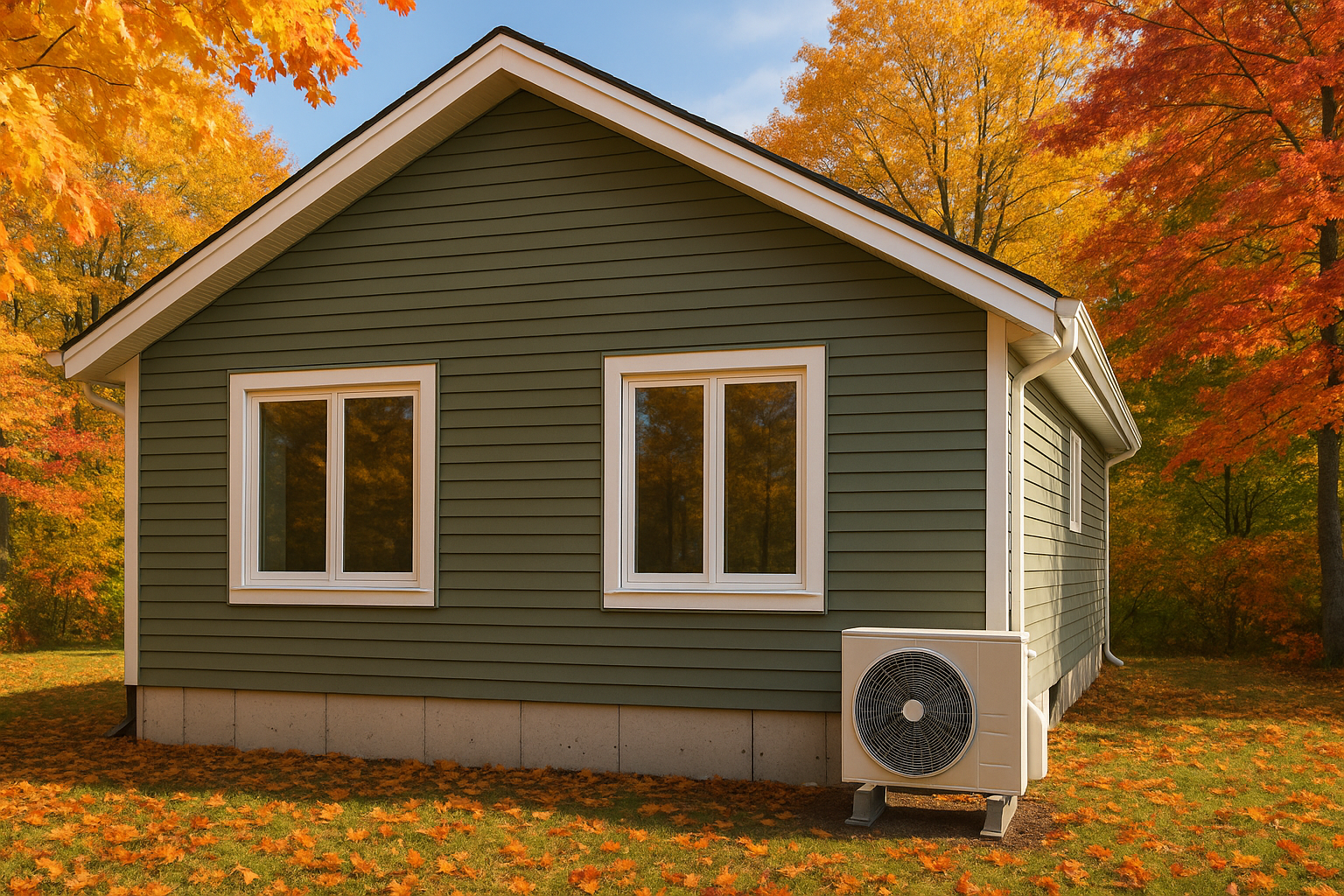
Energy Upgrades That Pay Back in Nova Scotia: Heat Pumps, Windows, and Insulation ROI
Nova Scotia homeowners and rental property owners can cut heating costs and improve tenant appeal by upgrading to heat pumps, high-performance windows, and better insulation. These upgrades reduce energy use, lower bills, and can even increase rental income. With rebate programs like Efficiency Nova Scotia and the Canada Greener Homes Grant, these improvements become more affordable. Key takeaways:
- Heat Pumps: Energy-efficient heating and cooling, quick payback, and tenant-friendly.
- Windows: Triple-pane options reduce heat loss and improve comfort but have longer payback periods.
- Insulation: Affordable, effective, and works well with other upgrades to reduce energy loss.
Act now, as some rebates expire by the end of 2025. Combining these upgrades during renovations or new builds ensures long-term savings and property value growth.
What is the Cheapest Source of Heat in Halifax?
1. Heat Pumps
Heat pumps are a smart choice for heating and cooling, especially for Nova Scotia rental properties. They use significantly less energy than electric baseboards, which can translate to major savings.
The installation costs for ductless mini-split heat pumps depend on the size of the system and the complexity of the property. Ductless systems are often a more economical option for rental properties. They come with lower installation costs and allow for individual unit control, unlike ducted systems, which typically require a larger upfront investment.
Switching from electric baseboard heating to well-sized heat pumps can drastically reduce monthly heating expenses. This often leads to a return on investment within just a few years, thanks to energy savings and the potential for higher rental income. If you're a property owner covering utility costs, these savings go straight to your bottom line. For tenants paying their own utilities, heat pumps can justify higher rents and help keep vacancy rates low.
Local rebate programs make the financial case even stronger. Efficiency Nova Scotia offers rebates for eligible systems, and the Canada Greener Homes Grant can provide additional funding.
Tenants also tend to prefer heat pumps. They enjoy the convenience of a single system for both heating and cooling, along with the quieter operation compared to traditional window air conditioners.
For new construction, integrating heat pumps from the outset maximizes long-term value. For example, Helio Urban Development includes individual ductless heat pumps in their standard $160,000 per unit construction package. Adding heat pumps during the design phase avoids the expense of future retrofits.
With minimal maintenance needs and a long service life, heat pumps are a low-maintenance solution. They not only cut energy bills but also make rental properties more appealing to tenants, laying the groundwork for additional energy-efficient upgrades like better windows and insulation.
2. High-Performance Windows
Upgrading to high-performance windows is a smart move for rental properties in Nova Scotia, offering both better energy efficiency and greater comfort for tenants. Triple-pane windows, in particular, are excellent at reducing heat loss and condensation. This not only keeps indoor spaces more comfortable but also allows heating systems - whether you're using a heat pump or a more traditional setup - to function more efficiently. It’s a win-win for energy savings and tenant satisfaction, aligning well with broader energy strategies.
Investing in quality windows can also lower heating and cooling costs, which improves your return on investment. Beyond the financial benefits, these upgrades enhance tenant comfort, which could lead to higher tenant satisfaction and even better retention rates.
There are also financial incentives to sweeten the deal. Programs like the Canada Greener Homes Grant and Efficiency Nova Scotia initiatives can help offset the upfront costs, making these upgrades more accessible.
For new builds, incorporating high-performance windows during construction is especially practical. Doing so avoids the hassle and expense of retrofitting later, which can involve added labour and potential damage to existing finishes.
When choosing windows, look for options with low U-values and an Energy Star certification. These features not only maximize energy efficiency but can also help you qualify for rebates.
While the payback period for window upgrades might take longer compared to other energy-efficient improvements, the long-term benefits are undeniable. High-performance windows are durable, require minimal maintenance, and provide lasting value. Next up, insulation upgrades can further enhance energy savings.
sbb-itb-16b8a48
3. Insulation Upgrades
Insulation is one of the most budget-friendly ways to improve energy efficiency in rental properties across Nova Scotia. When paired with heat pumps and high-performance windows, it creates a well-rounded system that significantly cuts down heating and cooling costs. Let’s break down why insulation deserves your attention.
The cost of insulation varies depending on the material, the size of the project, and how it’s installed. Common options like blown-in fibreglass, spray foam, and rigid foam each have their own price ranges and performance benefits.
A key factor to consider is the insulation's R-value, which measures its ability to resist heat flow. For colder climates like Nova Scotia, higher R-value materials are essential for keeping energy use in check. While these materials may cost more initially, they typically result in substantial energy savings over time, making them a smart long-term investment [2].
Beyond energy savings, upgrading insulation enhances tenant comfort by eliminating drafts and cold spots. This not only keeps tenants happier but can also improve retention rates - something every property owner values.
Financial incentives in Nova Scotia make insulation upgrades even more appealing. Programs like the Canada Greener Homes Grant and Efficiency Nova Scotia offer rebates that help offset the upfront costs of these improvements [1][3][4][5].
For new construction, it’s wise to incorporate high-quality insulation from the get-go. Doing so complements other energy-efficient features like heat pumps and high-performance windows. This proactive approach reduces the need for future retrofits, saving on labour costs and avoiding disruptions. Plus, it allows you to design the building envelope for optimal thermal performance right from the start.
Think of the building as a complete system. Combining upgraded insulation with proper air sealing not only boosts energy efficiency but also prevents issues like ice dams and moisture build-up during Nova Scotia’s harsh winters. Together, these upgrades deliver better energy performance, increased tenant satisfaction, and a stronger return on investment.
Pros and Cons
Every upgrade comes with its own set of advantages and challenges. Here’s a quick breakdown to help you decide where to allocate your renovation budget.
| Upgrade Type | Pros | Cons |
|---|---|---|
| Heat Pumps | • Can reduce heating costs compared to traditional electric baseboards. • Provides both heating and cooling in one system. • May make the property more attractive to tenants. • New installations may qualify for provincial rebate programs. |
• Requires a significant upfront investment. • Rebates are usually unavailable for replacing existing heat pumps [6]. |
| High-Performance Windows | • Enhance indoor comfort and improve aesthetics. • Can boost curb appeal and potentially raise property value. |
• Higher initial costs. • Installation can disrupt tenant occupancy. • Few or no rebate options available. |
| Insulation Upgrades | • One of the most affordable energy improvement options. • Quick installation with minimal disruption. • Compatible with any heating system. • May qualify for rebates under certain programs [3]. |
• Benefits may not be immediately noticeable to tenants. • Effectiveness depends on the quality of existing insulation. • Installing in finished spaces can be challenging. |
Rebate eligibility and timing play a significant role in deciding on upgrades. Many rebate programs are set to expire on 31 December 2025 [6][3][8], creating a sense of urgency. Additionally, eligibility often depends on the type of system and specific property criteria [7].
For new construction, the rules are even stricter. Rebate programs typically exclude new builds or require homes to be at least six months old before qualifying [6][8]. This makes it essential to prioritize energy efficiency during the planning phase rather than relying on future retrofits.
Seasonal cottages are another important consideration. These properties are excluded from most rebate programs [6], which could influence decisions for owners managing diverse property types.
Taking a strategic approach now can ensure long-term energy savings and cost benefits, as highlighted in earlier sections.
Conclusion
Nova Scotia property owners face a critical moment as rebate programs near their expiration, potentially impacting future returns. To protect and grow your investment, it’s crucial to focus on upgrades that bring the most financial benefit to your property.
When evaluating energy upgrades, consider the unique return potential of each option. Heat pumps stand out, especially for properties still relying on electric baseboard heating or oil furnaces. These systems can significantly lower heating costs, and current provincial rebates for new installations make them an attractive choice. However, keep in mind that rebates don’t apply to replacing existing heat pumps, which limits the financial return for such upgrades.
For those with tighter budgets, insulation upgrades offer a practical starting point. They come with relatively low upfront costs, minimal disruption for tenants, and compatibility with any heating system. If tenant appeal and property aesthetics are priorities, high-performance windows are a smart investment, even though their immediate energy savings may be less pronounced.
For new construction projects, planning for energy efficiency from the ground up is essential. Since many rebates target retrofits rather than new builds, prioritizing energy-efficient design during the planning phase can help control costs and avoid expensive future upgrades. Programs like the CMHC MLI Select offer compelling incentives, such as 95% financing over 50 years for energy-efficient builds priced at $200,000 per unit, boosting cash flow and long-term viability.
Timing is everything. With rebate deadlines and installation schedules in mind, property owners should consider heat pump installations first if eligible, followed by insulation upgrades, which can be done year-round. Plan window replacements during tenant turnover to minimize inconvenience. Acting now not only reduces operating expenses but also positions your property for long-term success in a competitive market.
Each upgrade - whether heat pumps, insulation, or high-performance windows - offers distinct advantages. By aligning your renovation decisions with your property's needs and financial objectives, you can achieve measurable energy savings while enhancing tenant satisfaction. This thoughtful approach ensures your property remains competitive and profitable in Nova Scotia’s rental market.
FAQs
How can I find out if my property in Nova Scotia qualifies for energy upgrade rebates?
If you’re in Nova Scotia and want to see if your property qualifies for energy upgrade rebates, start by exploring the provincial and federal programs aimed at boosting energy efficiency. Some key ones to check out include the Your Energy Rebate Program, the Moderate Income Rebate from Efficiency Nova Scotia, and the Canada Greener Homes Initiative. Each program comes with its own set of eligibility rules, which can depend on factors like your property type, location, or household income.
To ensure you meet the latest requirements, it’s smart to reach out directly to Efficiency Nova Scotia or the appropriate government agencies. They can provide up-to-date details on available rebates and walk you through the application process. Plus, many of these initiatives offer tools and resources to help you evaluate your property’s energy-saving potential before you dive into any upgrades.
What are the best ways to cost-effectively include heat pumps, energy-efficient windows, and insulation in a new build in Nova Scotia?
To include heat pumps, energy-efficient windows, and insulation in your new build without breaking the bank, check out the energy rebates and incentives available in Nova Scotia. Programs like Efficiency Nova Scotia and the Canada Greener Homes Initiative can help cut your upfront costs while improving long-term energy savings - and even increasing your property’s value.
The process starts with booking an energy assessment, which will pinpoint upgrades and rebates you may qualify for. After that, submit pre-approval applications, along with your project plans and contractor quotes, before kicking off construction. To unlock the highest incentives, ensure your project exceeds the National Energy Code of Canada for Buildings (NECB) standards by at least 15%. Following these steps can save you money, lower your operating costs, and deliver a solid return on your investment.
How do I decide whether to upgrade heat pumps or invest in windows and insulation for my rental property in Nova Scotia?
To figure out whether you should upgrade heat pumps or invest in high-performance windows and insulation for your rental property, start with a Home Energy Assessment. This assessment pinpoints where your property is losing the most energy and offers tailored recommendations. Plus, it often includes an EnerGuide label and a detailed report to help you make informed choices.
Take advantage of rebates and grants to offset the costs. Programs like the Canada Greener Homes Grant or specific initiatives for affordable multi-unit housing can significantly reduce your upfront expenses. Be sure to also evaluate the return on investment (ROI). Energy-efficient upgrades, such as heat pumps, insulation, or windows, can lower operating costs, make your property more appealing to tenants, and even boost rental income.
For the most effective upgrades, consult a Registered Energy Advisor. They can ensure your plans are cost-efficient and meet the requirements for available incentives.